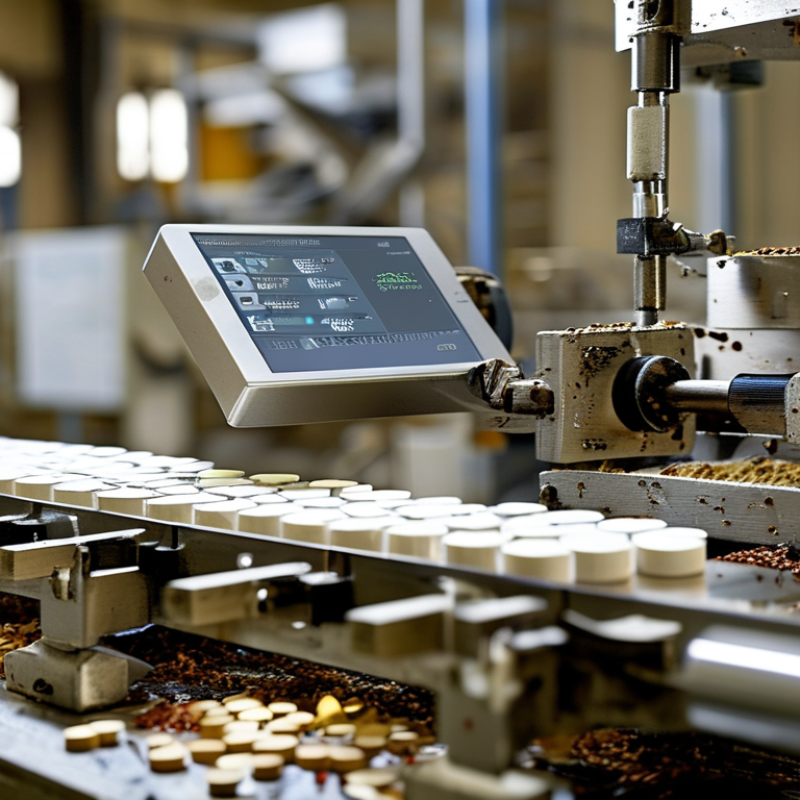
Why Choose a Tablet Counter for Your Business?

Why choose a Tablet Counter for your business? The answer begins with consistency. Manual counting can slow production and invite avoidable errors. A modern Tablet Counter uses sensors, controlled vibration, and calibrated channels. It can count tablets quickly while reducing direct handling. That matters in pharmaceutical, nutraceutical, and healthcare packaging.

Kevin C. O’Donnell, a pharmaceutical packaging specialist, states, “A reliable count is only valuable when operators can verify it.” This principle deserves attention. A dependable machine should provide clear settings, repeatable results, and simple checks. Operators need to see the count, inspect the product path, and confirm the container before sealing. Good equipment supports that process.

A Tablet Counter can also improve workflow. It may connect with bottle unscramblers, capping machines, labelers, and inspection systems. Less waiting. Fewer bottlenecks. Production becomes easier to measure. However, automation is not a perfect answer. Dust, static, damaged tablets, and poor calibration can still affect performance. Staff training remains essential. Regular cleaning and documented verification protect product quality.

Imagine a busy line with small tablets moving through transparent channels. The display shows the target count. A reject mechanism separates unusual pieces. The operator checks the result before the bottle moves forward. These details create confidence, but only when maintained carefully. Choosing the right Tablet Counter means evaluating speed, accuracy, product size, cleaning access, and future production needs. The cheapest option may become expensive when downtime begins. Reliability should be judged on the factory floor, not only in a brochure.

Why Choose a Tablet Counter for Your Business?

What Is a Tablet Counter and How Does It Work?

A tablet counter is a packaging machine that counts solid doses before they enter a bottle or pouch. Its operation is straightforward, but accuracy depends on several controlled steps. Tablets move from a hopper onto a vibrating or rotating feeding surface. The system separates them into a steady flow. Photoelectric sensors then detect each passing tablet and transmit the count to a control unit. When the target number is reached, a gate directs the batch into its container.

Modern counters may include dust extraction, bottle detection, jam alarms, and automatic reject functions. These features help operators identify broken tablets, double feeds, or incomplete counts. The International Society for Pharmaceutical Engineering emphasizes equipment qualification, calibration, and documented process controls in pharmaceutical packaging guidance. Those controls matter because speed alone proves very little. A fast machine can repeat an error quickly.

The World Health Organization’s 2017 Medication Without Harm report estimated that medication errors cost about US$42 billion globally each year. A tablet counter cannot prevent every packaging mistake, but it can reduce repetitive manual counting and create measurable process records. The real performance depends on tablet shape, coating, vibration settings, cleaning, and operator training. Small tablets can behave unpredictably. That is the weak point.

Before choosing a counter, businesses should test representative products at different speeds. They should review count accuracy, changeover time, sensor verification, and cleaning access. These checks reveal practical limits that sales figures may hide. Industry reports often present projected efficiency gains, yet actual results vary between facilities. Validation remains essential.

Which Business Processes Can a Tablet Counter Improve?

A tablet counter can improve several pharmacy business processes at once. It supports faster counting, more consistent fills, and cleaner handoffs between staff. The World Health Organization estimates that medication errors cost approximately US$42 billion globally each year. A counter cannot remove every risk, but it can reduce avoidable counting variation.

Inventory control becomes more practical when each batch is counted and recorded immediately. Staff can compare expected quantities with actual stock before shelves become confusing. This helps identify shortages, overages, and unusual usage earlier. It also reduces repeated manual counts during busy periods. Small gains matter. A few saved minutes per prescription can improve queue management and customer service.

Quality checks can become more visible. Operators may verify the tablet shape, count, container, and lot information before release. Digital records can support traceability and routine audits, aligning with documentation principles described in USP general chapters. However, automation may create false confidence. Dust, mixed tablets, incorrect settings, or rushed cleaning can still produce errors. Staff training, calibration, and independent verification remain necessary. The 2023 ASHP national survey on pharmacy practice also highlights the growing role of technology in medication-use systems, while emphasizing workflow control and safety oversight.

What Are the Main Benefits of Using a Tablet Counter?

A tablet counter can make daily production more consistent, especially when staff count hundreds of tablets by hand. In practical use, the main benefit is speed without completely sacrificing control. An operator can place tablets into a clean counting tray, set the required quantity, and prepare the next container sooner. That matters during busy packing periods. Less handling also reduces fatigue and the chance of accidentally dropping or mixing tablets.

Modern tablet counters can improve counting accuracy through sensors, controlled dispensing, and adjustable settings. They are useful for pharmacies, laboratories, and regulated production areas that require clear records. Many models support batch tracking, quantity checks, and simple cleaning routines. These features help supervisors review work instead of relying only on visual estimates. A reliable counter should also allow calibration checks, because dust, tablet shape, and vibration can affect performance.

The equipment does not solve every problem. Incorrect settings may still produce inaccurate counts, particularly with uneven tablet sizes. Staff need practical training, routine cleaning, and documented inspections. In my experience, a short test count before each batch prevents avoidable mistakes. The process may feel slower at first. Over time, it can create steadier output and clearer accountability, while leaving operators more time for packaging checks and inventory control.

How Should Businesses Evaluate Tablet Counter Features?

Businesses should evaluate a tablet counter as a quality-control system, not merely a faster counting machine. The U.S. FDA’s Process Validation guidance stresses that equipment performance must be consistent, measurable, and documented. Ask for verified counting accuracy across different tablet shapes, sizes, colors, and surface finishes. A useful test includes chipped tablets, low quantities, and fast production speeds. Real conditions are less tidy than demonstrations.

Speed matters, but it should never replace control. The counter should provide adjustable counting rates, sensor calibration, reject detection, and records that operators can review. EU GMP Annex 11 highlights the importance of data integrity, access control, audit trails, and reliable electronic records. These features support traceability during batch release and investigation. According to the International Society for Pharmaceutical Engineering’s Pharma 4.0 guidance, connected equipment can improve visibility when data is standardized and protected. Connectivity alone is not intelligence.

Cleaning and maintenance deserve equal attention. WHO GMP guidance recommends equipment designs that reduce contamination risks and support effective cleaning. Look for tool-free product-contact parts, smooth surfaces, clear access points, and quick changeovers. A compact machine may save floor space but create awkward cleaning tasks. That is easy to miss. Teams should also compare energy use, service response, training time, and validation workload. No counter is perfect; a small error in setup can still affect results. Pilot testing with actual tablets remains more reliable than accepting a brochure’s best-case figures.

Why Choose a Tablet Counter for Your Business? - How Should Businesses Evaluate Tablet Counter Features?

Evaluation Dimension Measurable Feature or Benchmark Business Value Recommended Evaluation Method Priority
Counting Accuracy Target a validated counting accuracy of at least 99.9% under normal operating conditions. Reduces underfilled and overfilled bottles, product waste, customer complaints, and manual recounting. Run at least 10 consecutive test batches using different tablet sizes and compare the counted quantity with a manual reference count. High
Counting Speed Compare the supplier’s rated output in bottles per minute and tablets per minute. For example, 40 bottles per minute with 30 tablets per bottle equals 1,200 tablets per minute. Helps the business match equipment capacity with current demand and future production growth. Test the machine with the intended tablet size, bottle format, and filling quantity instead of relying only on an empty-machine speed claim. High
Tablet Size Range Confirm the supported tablet diameter and thickness range, such as approximately 2–25 mm in diameter, depending on the machine design. Allows one machine to handle multiple products and reduces the need for separate equipment. Check actual product dimensions against the equipment specification and perform a test with the smallest and largest tablets used in production. High
Product Changeover Evaluate tool-free or low-tool changeover, removable contact parts, and clearly defined changeover steps. Shortens downtime when switching between tablet types, package sizes, or production orders. Measure the time required to clean, adjust, and restart the machine between two products. High
Hopper Capacity Compare the usable hopper volume with the required batch size. Many compact systems use a hopper capacity of roughly 1–5 liters, while larger systems may provide more. A larger usable hopper can reduce operator loading frequency, but excessive height or capacity may increase handling difficulty. Calculate the number of bottles that can be filled per hopper load using the average tablet volume and target count per bottle. Medium
Tablet Handling and Jam Prevention Look for controlled product flow, anti-bridging design, gentle vibration, and sensors for blocked chutes or irregular feeding. Protects tablets from chipping or breakage and reduces stoppages caused by bridging or double feeding. Run fragile, coated, and irregularly shaped tablets and record stoppages, damaged tablets, and rejected bottles. High
Detection and Rejection Assess sensors for missing bottles, bottle jams, double containers, low product supply, and out-of-count conditions. Prevents incorrectly filled containers from continuing to labeling, packing, or shipping stages. Introduce controlled faults during a demonstration and verify that the machine stops, alarms, or rejects the affected container as specified. High
Container Compatibility Confirm compatibility with the required bottle diameter, height, neck design, and container material. Enables the same counter to support different packaging formats and reduces line integration problems. Test every planned container type, including the smallest and largest formats, at the intended production speed. High
Dust Control Evaluate an integrated dust extraction connection, enclosed product paths, and accessible dust collection areas. Improves workplace cleanliness, protects sensors, and helps maintain consistent counting performance. Operate the machine with dusty products and inspect the work area, internal surfaces, filters, and extraction connection after testing. Medium
Cleaning and Sanitation Prefer smooth surfaces, limited product traps, corrosion-resistant contact parts, and removable components that can be cleaned without excessive disassembly. Supports hygienic production and reduces cleaning labor between batches. Time a complete cleaning procedure and inspect whether all product-contact areas are visible and accessible. High
Material Compatibility Verify that product-contact components use suitable materials, such as stainless steel or other materials approved for the intended application. Reduces corrosion, contamination risk, and premature wear when handling pharmaceutical, nutraceutical, or food products. Request a written material list for all product-contact parts and compare it with the company’s hygiene and regulatory requirements. High
Control System Assess touchscreen controls, password-protected settings, recipe storage, alarm history, and adjustable counting parameters. Makes operation more consistent and reduces setup errors between operators and production shifts. Ask operators to create, save, recall, and modify a product setup during a live demonstration. Medium
Data and Traceability Check whether the system records batch settings, production totals, alarm events, rejected containers, and operator actions. Improves production records, troubleshooting, quality investigations, and audit readiness. Confirm the available export format, timestamp behavior, user permissions, and retention period for production data. Medium
Line Integration Review conveyor height, infeed and outfeed direction, electrical requirements, communication interfaces, and available installation space. Reduces installation delays and ensures that the counter works reliably with bottle unscramblers, cappers, labelers, and inspection equipment. Prepare a layout drawing and verify mechanical, electrical, and control connections before purchase. High
Electrical Requirements Confirm the required voltage, frequency, phase, connected load, and compressed-air requirements, if applicable. Prevents unexpected facility modifications and compatibility issues during installation. Compare the equipment nameplate and installation manual with the site’s available utilities. High
Operator Safety Look for guarded moving parts, emergency-stop controls, interlocked access panels, and clear alarm indicators. Reduces the risk of injury and supports safer routine operation and maintenance. Inspect all access points and verify that opening a guarded area produces the intended safe-stop response. High
Noise and Working Environment Request the measured operating noise level in dB(A), particularly when vibration feeders, conveyors, or dust extraction are used. Helps businesses plan operator comfort, workplace layout, and hearing-protection requirements. Measure sound at the normal operator position while the machine is running at the intended production rate. Medium
Maintenance Requirements Review lubrication points, wear components, inspection intervals, spare-part availability, and estimated preventive-maintenance hours. Improves uptime and makes the total cost of ownership easier to forecast. Request a preventive-maintenance schedule and calculate annual labor and replacement-part costs. High
Validation and Documentation Evaluate the availability of user requirements, functional specifications, operating procedures, test records, and calibration information. Supports regulated production, repeatable performance, and internal quality approval. Review a documentation sample before purchase and confirm which documents are included with delivery. High
Return on Investment Compare purchase cost, installation, training, maintenance, labor savings, throughput improvement, and reject reduction over the expected service life. Shows whether automation creates measurable financial value rather than focusing only on the initial purchase price. Use the formula: annual benefit minus annual operating cost, divided by total investment, to estimate the payback period and return. High
Scalability Assess whether the machine can support future increases in bottle count, additional tablet formats, extra inspection devices, or a higher-speed line. Extends equipment usefulness as product volume and packaging requirements grow. Ask the supplier to identify the maximum practical output, upgrade options, and limitations for future product formats. Medium
Acceptance Testing Define measurable acceptance criteria for accuracy, speed, changeover time, reject response, cleaning, and safety before delivery. Ensures that the purchased machine performs according to the business’s actual operating requirements. Use representative tablets and containers in a documented factory acceptance test and site acceptance test. High

Which Industries Benefit Most from Tablet Counting Technology?

Tablet counting technology benefits industries where accuracy, traceability, and speed meet every day. Community pharmacies and hospital dispensaries are clear examples. The National Academies’ 2006 report, Preventing Medication Errors, estimated that medication errors affect at least 1.5 million people annually in the United States. A calibrated tablet counter can reduce repetitive manual counting, especially during busy prescription hours. It also creates a clearer process for checking quantities, lot details, and packaging records.

Pharmaceutical manufacturers and contract packaging facilities gain another advantage. Production teams can count tablets consistently before bottles are sealed, labeled, and released for inspection. The World Health Organization reported in 2017 that medication errors cost an estimated 42 billion US dollars globally each year. That figure highlights why small counting deviations deserve serious attention. Nutraceutical manufacturers and veterinary medicine facilities can benefit too, particularly when they handle multiple tablet sizes or frequent short production runs.

Not every workflow needs automation.

A counter still requires trained operators, routine calibration, and documented checks. Dust, broken tablets, unusual shapes, and poor feeding settings can produce imperfect results. That weakness is easy to overlook. In practice, the strongest users combine counting technology with visual inspection and batch reconciliation. This approach supports the quality expectations described in current good manufacturing practice guidance from major regulatory authorities, while giving staff more time for verification instead of repetitive counting.

WhatsApp