Buying cutting tools across borders is not simply a matter of comparing prices. Material grade, machine rigidity, coolant delivery, tolerances, and delivery reliability can change the result. A carbide insert that performs well on stainless steel may fail quickly in hardened tool steel. Even a familiar drill can produce poor holes when run at the wrong speed.
Dr. Milton C. Shaw, a pioneer in metal-cutting research, expressed the central principle clearly: “The cutting tool controls the entire machining operation.” His view remains relevant on today’s shop floors. Tool geometry affects chip control. Coating choice influences heat resistance. Edge preparation can determine whether a production run lasts minutes or several shifts.
This guide, Top 10 Cutting Tools Every Global Buyer Should Know, examines the practical differences between turning tools, milling cutters, drills, reamers, taps, thread mills, boring bars, saw blades, diamond tools, and CBN tools. It considers cutting performance, tool life, application range, and sourcing risks. Buyers will also see why certifications, inspection records, and technical support matter as much as catalog specifications.
Small details matter. A chipped corner. A blue chip. A rough hole.
The list is not perfect for every factory. No universal tool exists. Some recommendations may need adjustment after testing the workpiece material, spindle power, and coolant conditions. That uncertainty deserves attention, especially when purchasing from unfamiliar suppliers. A careful buyer validates claims with samples, measurable results, and clear communication before approving large volumes.
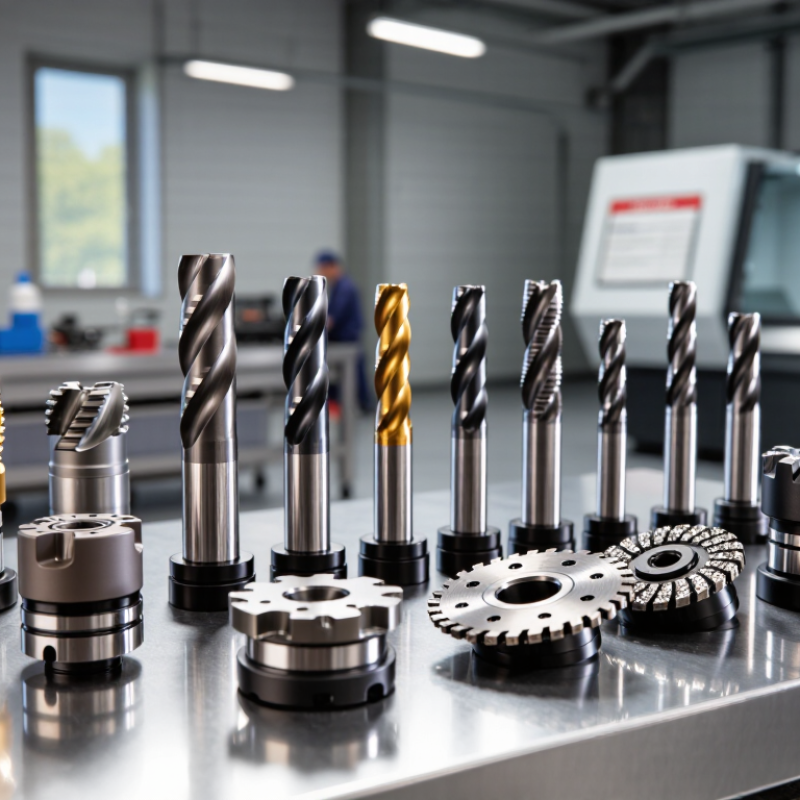
Cutting tools are engineered components that remove material from a workpiece through controlled contact.
They serve machining, construction, woodworking, medical-device production, and metal fabrication. For global buyers, the term includes drills, end mills, turning inserts, reamers, saw blades, taps, and abrasive cutters.
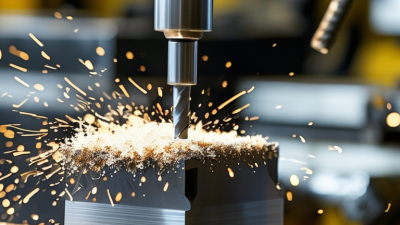
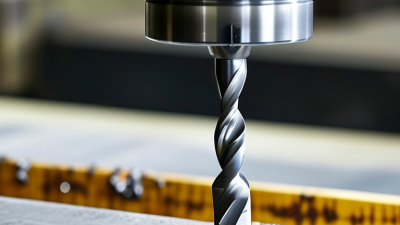
A cutting tool usually has a body, cutting edge, shank, and working geometry. Drills use flutes to guide chips away from the hole. End mills rely on multiple teeth and precise helix angles. Turning inserts may use replaceable tips with defined corner radii.
The substrate provides strength, while a surface treatment can improve wear resistance and reduce friction. Small details matter. A sharp edge is not always the best edge. Brittle materials may need a tougher geometry instead.
Industrial application determines the correct structure. High-speed machining needs heat control and stable clamping. Aluminum often requires polished chip channels to prevent material buildup. Hardened steel demands wear resistance and accurate cutting parameters. In woodworking, tooth shape affects finish quality and dust movement.
On a factory visit, I would inspect runout, edge consistency, packaging, and test records rather than trust a catalog image. A neat specification can still mislead. Tool life also depends on the machine, coolant, workholding, and operator settings. Buyers should compare measurable performance under similar conditions, while checking material certificates and dimensional tolerances. Some purchasing decisions remain imperfect because real production varies from one site to another.
A dependable cutting tool starts with the material it must cut. A sharp edge alone is not enough.
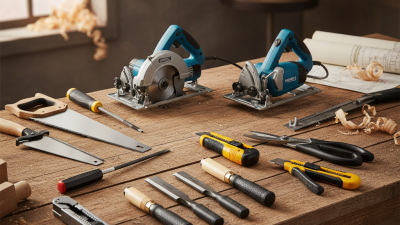
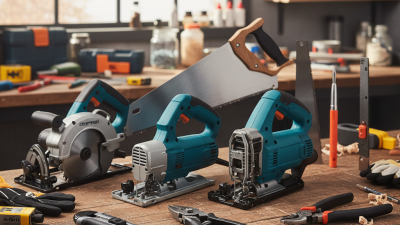
A utility knife handles cardboard, film, and light sheet materials. Scissors cut fabric, paper, insulation, and thin plastic. Tin snips shape sheet metal without powered equipment.
A hacksaw cuts steel bars, pipes, and threaded rods. Bolt cutters provide high leverage for hardened bolts and chains. They require correct jaw alignment.
A pipe cutter creates clean, square cuts on copper, steel, or plastic tubing. A wood saw removes timber quickly, while a pruning shear handles branches and greenhouse work.
A rotary cutter makes controlled cuts in fabric, leather, and flexible sheets. A cold chisel cuts or separates masonry and metal with hammer force.
From purchasing experience, buyers should compare blade material, handle comfort, cutting capacity, and replacement availability. Check measurements carefully. “Heavy duty” is often vague. Ask for tested specifications, edge hardness, corrosion resistance, and safe packaging. Regional standards may differ, so documentation matters.
Small details matter. A poorly protected blade can arrive damaged. A comfortable tool may still fail on thick stock. Product selection is rarely perfect, and field feedback should change the next order.
Top 10 Cutting Tools Every Global Buyer Should Know
Cutting tools differ sharply by material, shape, and cutting method. Twist drills make holes, while end mills remove material from slots and pockets. Face mills produce flat surfaces with several replaceable edges. Reamers improve hole accuracy after drilling. Taps create internal threads, but they need stable alignment. Countersinks prepare seats for fastener heads. Saw blades separate bars, sheets, and tubes. Turning inserts cut rotating workpieces on a lathe. Broaches remove metal through progressive teeth. Abrasive wheels grind hard surfaces rather than slicing them.
Material selection affects tool life and surface quality. High-speed steel tolerates shock and suits moderate speeds. Carbide cuts faster and handles tougher production demands. Ceramic works well at high temperatures, but it can fracture during interrupted cuts. Cubic boron nitride suits hardened ferrous materials. Diamond tools perform strongly on non-ferrous alloys and composites. Shape matters just as much. A larger helix can clear chips quickly, while a small point angle may reduce drilling force. Tooth count also changes chip space and finish.
Cutting method decides the final choice. Milling tools need rigidity and balanced runout. Turning inserts require suitable rake, clearance, and nose radius. Grinding wheels depend on grit, bond, and hardness. Buyers should check workpiece material, machine power, coolant access, tolerance, and batch size. I have seen a durable tool fail because chip evacuation was ignored. Specifications alone are not enough. Trial cuts still matter. A practical comparison should record tool life, edge wear, cycle time, and finished dimensions under real shop conditions.
Global buyers should understand ten common cutting tools: drills, end mills, inserts, reamers, taps, thread mills, countersinks, saw blades, broaches, and rotary burrs. Each tool suits a different cutting task. A drill may create a hole quickly, while a reamer improves its final accuracy. End mills handle slots and profiles. Inserts support efficient turning, but their performance depends on workpiece material and machine stability.
Selecting tools in global procurement requires more than comparing unit prices. Check cutting diameter, tolerance, flute design, coating, shank size, and expected tool life. Confirm compatibility with the machine’s speed, holder, coolant system, and workpiece hardness. Ask suppliers for inspection reports, material data, sample results, and consistent packaging details. A low-cost tool can become expensive when it causes vibration, scrap, or frequent changes. Delivery reliability matters too, especially when production schedules cross several time zones.
Tips: Test a small batch before placing a large order. Record tool life under real cutting conditions. Compare cost per finished part, not cost per tool. Keep spare tools for critical operations. Be careful with optimistic supplier claims. A perfect choice rarely exists. Even experienced buyers can overlook setup rigidity or operator habits, so review the results after each trial and adjust the specification when necessary.
Global buyers often compare ten cutting-tool groups: utility knives, hacksaws, snips, pruning shears, bolt cutters, hole saws, rotary cutters, chisels, deburring tools, and pipe cutters. Quality begins with the intended material, not a glossy finish. Check blade hardness, edge retention, handle grip, balance, and replaceable parts. Ask for test data, dimensional tolerances, coating details, and lot traceability. A sharp edge is not enough. In my sourcing reviews, inconsistent heat treatment caused early chipping, although samples looked excellent. That mistake taught me to inspect production batches, not only approval samples. Use clear specifications. Avoid vague terms such as industrial grade.
Safety depends on design and daily habits. Look for guards, locking mechanisms, non-slip grips, and handles sized for gloves. Confirm that packaging protects edges during transport. Operators should receive instructions in a language they understand. Maintenance records should identify cleaning methods, lubrication points, sharpening limits, and inspection intervals. Keep blades dry. Replace damaged components promptly. A slightly loose tool can become dangerous under force. However, I once overestimated a corrosion-resistant coating after testing it in a dry workshop. Humidity and salt exposure later revealed weaknesses. Field conditions matter more than controlled demonstrations.
International purchasing adds another layer of verification. Confirm material declarations, safety documents, country-of-origin details, and applicable ISO or national conformity requirements. Check tariff classification with a qualified customs professional. Do not rely on informal supplier translations. Use written acceptance criteria for hardness, dimensions, packaging, labeling, and sampling. Independent pre-shipment inspection can catch mixed models or missing guards. Delivery schedules also need realistic buffer time. Documents are often the weakest link.
Reference cutting-speed midpoints for common industrial applications. Actual values depend on workpiece material, tool diameter, machine rigidity, coolant, tooth geometry, and the tool maker's technical data.
Buyers should verify tool material, edge geometry, dimensional tolerances, traceability, guarding, and maximum rated speed before purchase. Regular inspection should check edge wear, cracks, runout, damaged teeth, and secure mounting. For international sourcing, review applicable requirements such as ISO 12100 for machinery risk assessment, ISO 16089 for stationary grinding machines, EN 12413 for bonded abrasive products, and the supplier's documented inspection and maintenance procedures.