2025 Top 5 Store Tools for Streamlined Business Operations
As businesses increasingly turn towards digital solutions, the role of effective store tools in enhancing operational efficiency cannot be overstated. According to a recent report by the Retail Industry Leaders Association (RILA), companies that integrate advanced store tools can see a productivity increase of up to 30%. This significant advantage is pivotal in today’s fast-paced retail environment where customer expectations are high and competition is fierce.
Industry expert James Parker, CEO of Retail Tech Innovations, emphasizes this sentiment: “The right store tools are vital for modern businesses; they not only streamline operations but also empower employees to deliver exceptional customer experiences.” With the growing reliance on technology, it is essential for retailers to adapt and implement tools that not only simplify operational processes but also enhance engagement with customers.
As we explore the top five store tools for 2025, it becomes clear that investing in these technologies is more than just an operational decision; it is a strategic move towards future-proofing business operations in a rapidly evolving market.
The Rise of AI-Powered Inventory Management Systems in Retail Operations
As the retail industry faces rapid transformation, AI-powered inventory management systems are emerging as crucial tools for streamlining business operations. These systems leverage predictive analytics, enabling retailers to optimize stock levels, reduce waste, and respond swiftly to changing consumer demands. With a growing predictive AI market projected to reach USD 20.2 billion by 2034, it's clear that embracing these technologies is no longer optional but essential for survival.
**Tips for Implementing AI in Inventory Management:**
1. **Invest in Predictive Analytics:** Utilize AI-driven tools that forecast demand trends based on historical data, seasonal fluctuations, and consumer behavior patterns. This will enhance inventory accuracy and minimize overstock or stockouts.
2. **Integrate Systems Seamlessly:** Ensure that your AI tools can integrate smoothly with your existing retail systems for a unified approach. This will allow for real-time data sharing and improve overall operational efficiency.
3. **Monitor & Adjust Regularly:** The retail landscape is dynamic. Regularly review your AI systems' performance and make adjustments as necessary to ensure they continue to meet your operational needs and exceed customer expectations.
2025 Top 5 Store Tools for Streamlined Business Operations - The Rise of AI-Powered Inventory Management Systems in Retail Operations
| Tool Name |
Key Features |
Benefits |
Estimated Cost |
User Rating |
| AI Inventory Tracker |
Real-time tracking, Automated reorder alerts, Forecasting demand |
Reduces stockouts, Improves order accuracy, Lowers holding costs |
$150/month |
4.8/5 |
| Smart Shelf Management |
Weight sensors, Inventory visibility, Integrated alerts |
Enhances shelf efficiency, Minimizes waste, Boosts sales |
$200/month |
4.5/5 |
| Cloud-Based POS Systems |
Mobile transactions, Omnichannel capabilities, Inventory syncing |
Streamlines checkout process, Enhances customer experience, Centralizes data management |
$100/month |
4.7/5 |
| Predictive Analytics Tool |
Demand forecasting, Trend analysis, Inventory optimization |
Improves stock-level decisions, Increases sales, Reduces markdowns |
$180/month |
4.6/5 |
| Automated Ordering System |
Supplier management, Order tracking, Level alerts |
Saves time, Reduces human error, Streamlines supplier relations |
$120/month |
4.4/5 |
Enhancing Customer Engagement with Advanced POS Solutions in 2025
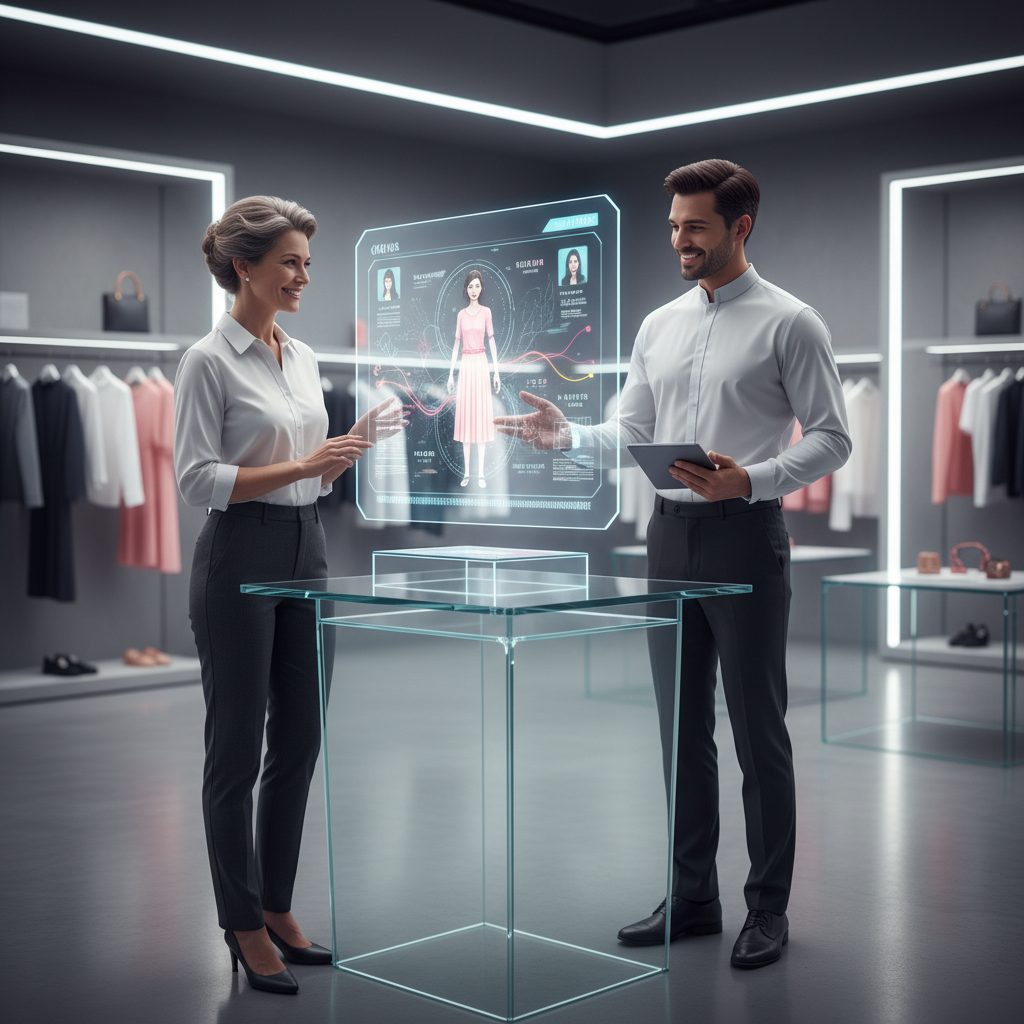
As businesses continue to evolve in the digital age, advancing Point of Sale (POS) solutions have become pivotal in enhancing customer engagement. In 2025, top-tier POS systems are designed to not only streamline transactions but also foster deeper connections with customers. Features such as personalized shopping experiences through customer data analytics enable businesses to tailor offerings and promotions, making shoppers feel valued and understood. This shift from traditional sales approaches to customer-centric models sets the stage for increased loyalty and satisfaction.
Moreover, the integration of mobile payment options and contactless technologies is revolutionizing the retail landscape. In a fast-paced environment, customers appreciate the convenience of making swift transactions, which reduces wait times and enhances their overall shopping experience. With advanced POS solutions, businesses can also leverage real-time inventory tracking and customer feedback tools, allowing them to respond swiftly to consumer trends and preferences. As a result, a well-implemented POS system not only drives revenue but also builds lasting, meaningful relationships between businesses and their clientele.
Integrating Omnichannel Strategies for Seamless Shopping Experiences
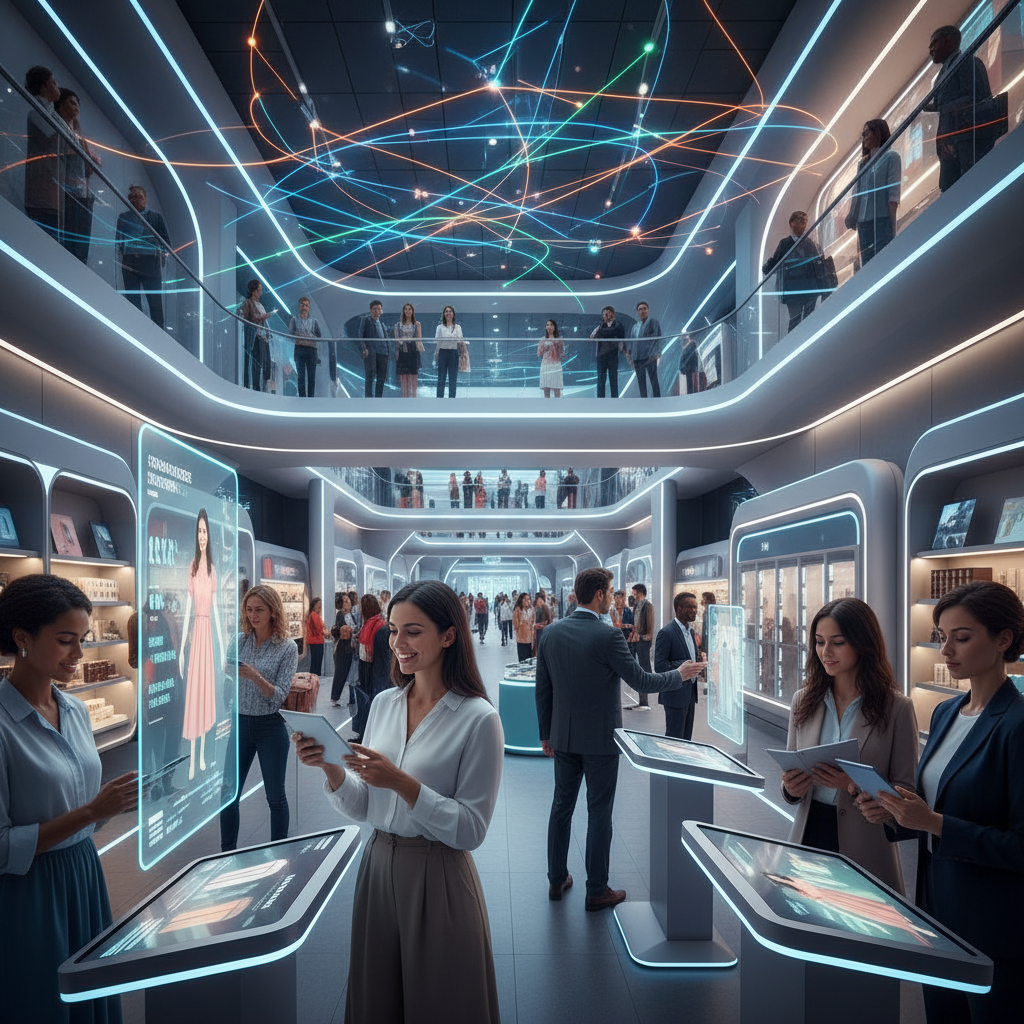
In today's competitive retail landscape, integrating
omnichannel strategies is essential for delivering
seamless shopping experiences that cater to consumer expectations. A recent study by the
Harvard Business Review found that
73% of consumers use multiple channels during their shopping journey,
indicating that businesses must create a cohesive experience across various platforms.
This integration not only enhances customer satisfaction but also improves brand loyalty,
with customers showing a 30% higher lifetime value when
engaging with a brand through multiple channels.
Moreover, the National Retail Federation reported that retailers with strong omnichannel strategies
retain an average of 89% of their customers, compared to only
33% for those with weak omnichannel strategies.
As consumers become more accustomed to a fluid shopping experience, businesses must prioritize tools that
streamline operations and facilitate effective communication across channels,
including online, in-store, and mobile platforms.
Leveraging data analytics tools can provide insights into consumer behavior, enabling retailers to
personalize marketing efforts and enhance inventory management, thus ensuring that they meet the evolving
needs of their customers efficiently.
Utilizing Data Analytics Tools for Informed Decision-Making in Stores
The retail analytics market is poised for remarkable growth, with its value reaching
$7.56 billion in 2023 and projected to surge to
$31.08 billion by 2032. This exponential increase underscores the growing importance of utilizing
data analytics tools within retail environments to enhance decision-making processes.
By harnessing the power of data science,
artificial intelligence, and business intelligence—collectively known as
decision intelligence—businesses can transform complex datasets into actionable insights that drive success.
In the fashion industry, the integration of data-driven approaches has revolutionized retail strategies.
Fashion retailers now have the ability to leverage analytical tools that not only complement the creativity
intrinsic to the industry but also enable them to make informed decisions that respond to market trends.
As data moves from passive storage to active decision-making,
artificial intelligence is increasingly playing a critical role in optimizing operations and ensuring that retailers remain competitive in a fast-evolving marketplace.
Current trends indicate that businesses utilizing these analytical capabilities are better equipped to tackle challenges and seize opportunities in their operational landscapes.
Streamlining Workforce Management with Cutting-Edge Scheduling Software
In today's fast-paced retail environment, effective workforce management is crucial for optimizing store operations.
Cutting-edge scheduling software has emerged as a vital tool for streamlining employee scheduling, reducing time
spent on administrative tasks, and enhancing overall productivity. With features such as automated shift assignments,
real-time availability tracking, and easy communication channels, these solutions allow managers to allocate resources
efficiently and respond quickly to changes in demand.
Tip 1:
Utilize software that offers mobile access for both managers and staff. This ensures that employees can
check schedules and communicate their availability anytime, anywhere, fostering a more flexible work environment.
Furthermore, advanced scheduling software often includes analytics that help businesses understand labor trends
and optimize scheduling based on peak hours. By leveraging these insights, store managers can create a workforce
that meets customer needs while minimizing labor costs.
Tip 2:
Look for solutions that integrate easily with your existing payroll systems. This integration streamlines the
overall process, reducing the risk of errors and ensuring that employees are compensated accurately and on time.