
What Are the Top 10 Body Kit Audi A3 8P Options?

Choosing the right Body Kit Audi A3 8p option requires more than attractive photographs. The Audi A3 8P has several body styles, including three-door, Sportback, and Cabriolet versions. Their bumper shapes and mounting points can differ noticeably. A kit that appears compatible may still require trimming, bracket changes, or professional alignment.

Peter Schreyer, former Audi design chief, offers a useful principle: “A body kit should support the car’s character, not hide it.” That idea guides this list of ten options. Each selection considers material quality, panel fitment, styling balance, installation difficulty, and daily practicality. ABS plastic usually offers consistent shaping, while fiberglass can demand more preparation before painting. Polyurethane often handles minor impacts better, but its availability varies by supplier. Details matter.

The strongest kits do not simply make the A3 8P look wider. They create visual flow between the grille, side skirts, rear diffuser, and exhaust area. Some options emphasize an S-line-inspired appearance. Others deliver a sharper, track-influenced profile. My ranking is not absolute. Personal taste, wheel size, ride height, and regional inspection requirements can change the result. That is worth admitting.

A poorly matched kit may exaggerate uneven gaps or expose tired suspension components. A restrained kit can make an older Audi look remarkably fresh. Before buying, compare verified measurements, installation photos, return policies, and specialist reviews. The top choice should fit your car, budget, and driving habits—not only your screen.
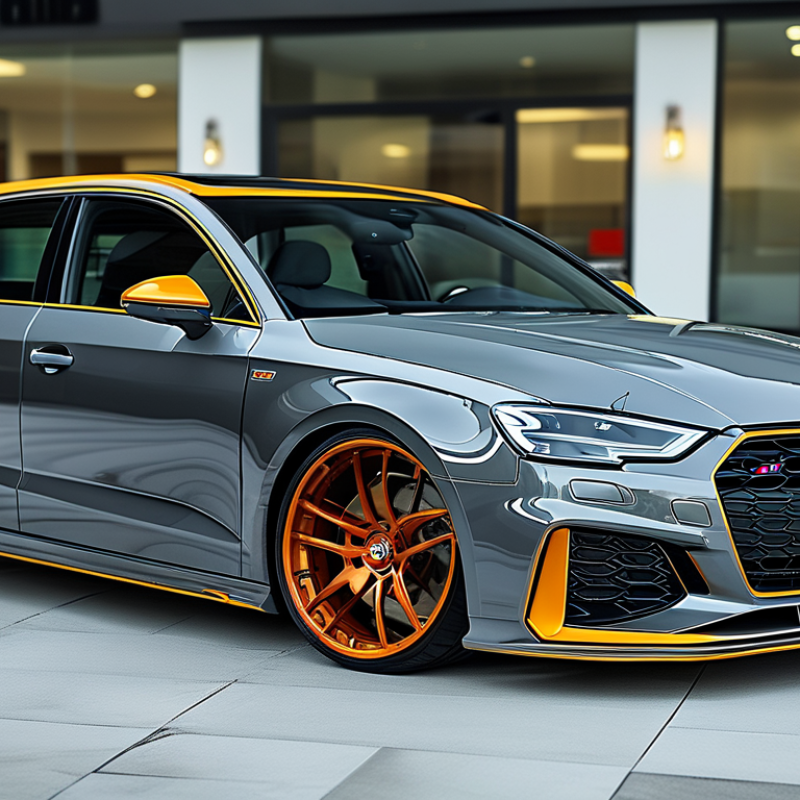
What Are the Top 10 Body Kit Audi A3 8P Options?

Understanding Audi A3 8P Body Kit Compatibility

What Are the Top 10 Body Kit Audi A3 8P Options?

Understanding Audi A3 8P Body Kit Compatibility

The ten common Audi A3 8P options include an OEM-style bumper, facelift bumper, mesh grille kit, front splitter, side skirts, rear valance, diffuser, roof spoiler, wide-body set, and complete conversion kit. Compatibility matters more than appearance. The 8P platform includes three-door, five-door Sportback, and Cabriolet body shells. Their rear panels, side lengths, and mounting points differ.

Check the chassis code before ordering. A 8P1 kit usually suits the three-door version, while 8PA parts target the five-door model. The 8P7 Cabriolet requires separate rear components. Pre-facelift and facelift bumpers can also use different grilles, fog-light surrounds, and undertrays. Performance-trim parts may need matching brackets. Poor alignment often reveals the problem first.

The Specialty Equipment Market Association reported a US specialty-equipment market value of 52.3 billion dollars in 2022. That figure shows strong modification demand, but it does not confirm individual fitment. Industry catalogs still separate parts by body style and production period. I once assumed a front bumper would transfer easily. That assumption was wrong. Small gaps appeared near the wheel arch.

Tips: Photograph every mounting point. Compare the seller’s template with your bumper. Confirm parking-sensor holes, headlamp washers, and grille dimensions. Test-fit unpainted panels first. Keep the original fasteners. A cheap adapter can create expensive alignment work. Check local inspection requirements before drilling or trimming.

Key Body Kit Styles, Materials, and Design Features

For the A3 8P, the strongest body kit choices begin with proportion, not aggressive styling. A subtle front lip, sculpted side skirts, and a compact rear diffuser create a balanced street profile. A clean touring kit suits daily driving, while a wider setup adds stronger visual presence. The top ten styles often include OEM-inspired, sport, track, widebody, touring, mesh-grille, vented, split-design, minimalist, and aero-focused layouts. Each style changes airflow, clearance, and maintenance needs. Fitment matters most.

Material selection affects both appearance and ownership. ABS plastic is light, consistent, and easier to replace after a parking scrape. Polyurethane bends more readily and handles minor impacts, though its surface needs careful preparation. Fiberglass supports sharp lines and broad fenders, but it can crack under repeated flexing. Carbon-fiber panels look distinctive and reduce weight, yet their cost and repair requirements deserve honest consideration. I once favored the lightest material, but real-world clearance proved more valuable. Measure twice.

Design details should match the car’s use. Deep splitters create visual tension, but they often catch on ramps and uneven roads. Vented fenders need controlled openings, secure mounting, and protection from water spray. A modest spoiler can extend the roofline without overwhelming the hatch. Rear diffusers should follow the bumper’s shape, not appear pasted on. Check panel gaps, wheel clearance, fastener access, and suspension travel before installation. Professional measurement and a documented test fit reduce surprises. Even good kits may require small adjustments. That is part of responsible fitting.

What Are the Top 10 Body Kit Audi A3 8P Options? - Key Body Kit Styles, Materials, and Design Features

No. Body Kit Style Common Material Key Design Features Typical Fitment Notes Main Appearance or Practical Benefit
1 OEM-Style Replacement Kit Polypropylene or ABS plastic Factory-inspired front bumper, side skirts, rear bumper, and standard grille openings with restrained contours. Usually suited to the same body style and production period; parking-sensor and headlamp-washer openings may require matching parts. Provides a clean, original-looking upgrade and generally offers easier repairability than rigid composite parts.
2 S-Line-Inspired Kit ABS plastic, polyurethane, or fiberglass composite Deeper front and rear lower sections, sharper side skirts, larger air inlets, and more defined shoulder lines. Check bumper reinforcement, fog-lamp surrounds, grille dimensions, and the exact three-door or Sportback body configuration. Adds a sportier factory-like appearance without the extreme proportions of a wide-body conversion.
3 Sport Front-Lip Package Polyurethane, ABS plastic, or carbon-fiber composite A lower front splitter or lip extension, side fins, and a visually lower nose while retaining much of the original bumper. Requires a compatible original-style front bumper; low ground clearance can make steep ramps and curbs more difficult. A relatively compact modification that improves front-end presence without replacing every major body panel.
4 Aggressive Aero Kit Fiberglass-reinforced plastic or polyurethane Large central openings, angular canards, extended side skirts, rear diffuser styling, and prominent bumper geometry. Often needs test fitting, trimming, bracket fabrication, and professional preparation before paint. Creates a dramatic motorsport-inspired look, although clearance and installation demands are higher.
5 Wide-Body Fender Kit Fiberglass composite, ABS plastic, or carbon-fiber composite Extended wheel arches, wider side sections, flared front and rear fenders, and a more planted body profile. May require cutting or reshaping original panels, revised wheel offsets, wider tires, and careful wheel-arch alignment. Allows a substantially wider visual stance and can accommodate more aggressive wheel-and-tire setups.
6 Rally-Inspired Kit Impact-resistant plastic or fiberglass composite Boxier fender extensions, robust bumper shapes, higher visual clearance, auxiliary-light mounting areas, and simple aero details. Confirm clearance around the original wheel arches, lamps, exhaust outlets, and underbody components. Delivers a functional, rugged appearance with less emphasis on smooth luxury styling.
7 Track-Inspired Splitter and Diffuser Kit ABS plastic, polyurethane, or carbon-fiber composite Front splitter, extended side extensions, rear diffuser fins, flat visual surfaces, and optional rear wing elements. Needs secure underbody mounting and sufficient ground clearance; some elements may not suit daily road use. Emphasizes aerodynamic styling and gives the car a lower, competition-oriented appearance.
8 Clean Street Kit Polyurethane, ABS plastic, or high-quality fiberglass Subtle bumper extensions, smooth side skirts, modest rear valance shaping, and limited decorative openings. Generally easier to integrate with standard lighting, exhaust, and parking-sensor layouts, subject to bumper version. Balances everyday usability with a refined customized appearance and typically avoids excessive visual complexity.
9 Retro-Inspired Kit Fiberglass composite, ABS plastic, or polyurethane Rounded bumper lines, simplified grilles, clean horizontal sections, and design cues inspired by earlier compact performance cars. Panel gaps and transitions must be checked carefully because retro shapes can differ significantly from the original body lines. Creates a distinctive, less common style while maintaining a comparatively simple exterior theme.
10 Carbon-Accent Performance Kit Carbon-fiber composite with ABS or polyurethane components Carbon-look front lip, mirror caps, side-skirt blades, rear diffuser details, and lightweight visual accents. Surface finish should be protected from ultraviolet exposure; carbon panels require precise mounting to prevent cracking or distortion. Adds a premium technical appearance and highlights selected areas without requiring a complete body conversion.

Fitment can vary by production year, three-door or Sportback body style, bumper version, lighting configuration, and parking-sensor layout. Professional test fitting is recommended before painting or permanent installation.

Top 10 Audi A3 8P Body Kit Options Compared

Choosing among the top 10 Audi A3 8P body kit options depends on fitment, material, and driving conditions.

Option one a subtle front lip, adds sharper lines without reducing clearance.
Option two side skirts, creates a lower visual stance.
Option three a rear diffuser, improves balance at the back.
Option four a vented bonnet, gives a more technical appearance.
Option five wider fenders, suit a carefully measured wheel setup.

Each option changes the car differently.

Option six combines front and rear bumpers for a complete transformation.
Option seven uses a compact spoiler, offering a restrained profile.
Option eight adds a roof extension, but its effect can feel exaggerated.
Option nine includes a wide-body package, requiring accurate panel alignment and wheel clearance.
Option ten uses a lightweight composite kit, which may reduce weight but needs careful finishing.

From workshop experience, flexible plastic handles daily impacts better. Composite panels can look impressive, yet imperfect edges are common. That deserves honest consideration.

Tips:

  • Measure every mounting point before ordering.
  • Check bumper sensors and headlight washers.
  • Inspect panel gaps under natural light.
  • Test-drive slowly after installation.
  • A professional installer should confirm fastener strength and wheel clearance.
  • Painted parts may reveal minor surface waves, even after preparation.
  • Perfect results are not guaranteed.
  • Local road rules should also be checked before fitting exterior modifications.

Fitment, Installation, and Required Modifications

What Are the Top 10 Body Kit Audi A3 8P Options?

The ten most practical options include a front lip, splitter, side skirts, rear diffuser, rear valance, roof spoiler, trunk spoiler, wider fenders, replacement bumpers, and a complete kit. Fitment depends on the A3 8P body style, production year, and bumper design. Three-door and Sportback versions may need different side skirts or rear sections. Pre-facelift and facelift panels are not always interchangeable. Measure every mounting point before ordering.

Installation starts with a trial fit. Remove the original fasteners carefully, then check gaps around the headlights, wheel arches, and tailgate. Some kits require drilling, trimming, heat shaping, or additional brackets. A front splitter can reduce ground clearance noticeably. Wider fenders may require revised wheel offset, spacers, or tyre clearance checks. Professional alignment is sensible after major changes. I have seen small panel gaps become obvious after paint. That detail is easy to underestimate.

Tips: Test-fit all parts before painting. Use temporary fasteners first. Keep the original hardware nearby. Check parking sensors and fog-light openings. Inspect clearance with the suspension loaded. Fibreglass parts often need extra preparation, while plastic parts usually flex better. Do not assume a “direct fit” needs no adjustment. That claim can be optimistic.

How to Choose the Right Body Kit for Your A3 8P

Choosing the right body kit for your Audi A3 8P starts with your driving needs, not appearance alone. Daily roads require practical clearance. Track use demands stronger airflow control.

The ten popular options include front bumpers, splitters, front lips, side skirts, rear bumpers, diffusers, spoilers, grilles, fender extensions, and bonnet panels. Each changes the car differently.

A front lip adds visual depth but may scrape on steep ramps. A diffuser can improve rear styling, yet poor fitment may trap dirt underneath. Wider fenders need careful wheel and tire measurements. Do not guess.

I have fitted exterior parts on older hatchbacks, and alignment was often harder than expected. A kit can look perfect in photos but sit unevenly in person. That mistake is expensive. Check panel gaps, mounting points, material thickness, and included hardware before buying.

Material Considerations Fiberglass is light and easy to shape, but it can crack after repeated impacts. ABS plastic usually handles daily vibration better. Carbon-style finishes may look sharp, though surface damage is difficult to repair.

Measure wheel offset, tire width, suspension height, and parking clearance. Keep factory lighting, sensors, and ventilation unobstructed. Confirm that the finished vehicle remains road-compliant in your area.

Ask for installation drawings and real customer measurements. A professional fitting inspection is worthwhile, especially when bumper brackets or fender edges need adjustment. Test slowly over ramps afterward. Listen for rubbing. Recheck every fastener after the first drive.

WhatsApp