Buying new dewalt tools online can save time, but a polished product page does not guarantee a smart purchase. Photos may look identical while model numbers, included accessories, and warranty terms differ. A careful buyer needs more than a tempting discount.
This guide shares ten practical tips for choosing new dewalt tools with greater confidence. Check the exact model number, voltage, tool type, and battery platform before paying. Read recent reviews, especially those describing packaging, runtime, fit, and real jobsite performance. Verify the seller’s reputation through clear contact details, return policies, and authorized retailer information. Small details matter.
Look closely at what the box includes. A bare tool may exclude batteries, chargers, blades, or cases. Compare the total cost, not only the headline price. Examine delivery estimates and inspect the package for damage when it arrives. Keep receipts, order records, and warranty documents in one place.
Reliable advice should also admit its limits. Online reviews can be useful, but some are rushed, outdated, or overly enthusiastic. Even experienced buyers can miss a suffix in a model number. I would recheck the listing before clicking “buy,” particularly when the price seems unusually low. A short pause may prevent an expensive mistake. These ten tips will help readers balance price, authenticity, performance, and after-sales support when shopping online.
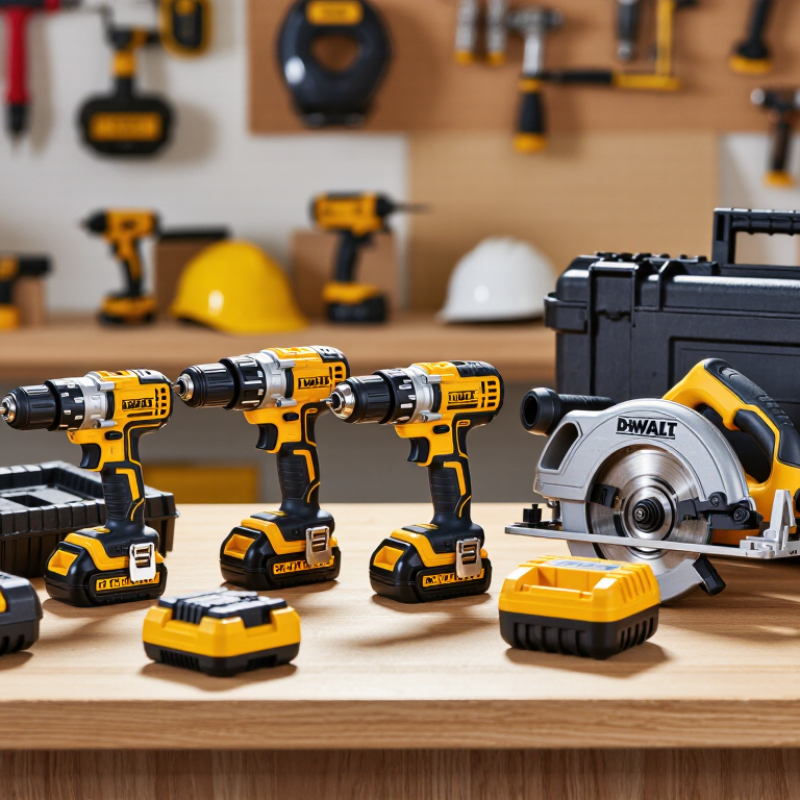
When buying new cordless tools online, define the job before comparing prices. A drill for cabinet hardware needs different power from a saw used on framing lumber. Write down the materials, workspace, runtime, and tool size you actually need. A 20V MAX tool may suit general repairs, but heavy cutting can demand higher torque and larger batteries.
Tip 1: Check the voltage platform carefully. The 20V MAX label describes the battery system, while operating voltage can be lower under load. Confirm that the tool, battery, and charger use the same platform. Do not assume every battery fits every product. I once overlooked the charger requirement and added an unnecessary cost.
Tip 2: Compare amp-hours, not voltage alone. A 2Ah battery is lighter for overhead work, while a 5Ah pack usually provides longer runtime. More capacity also adds weight. Read the manufacturer’s specifications for charge time, tool compatibility, and recommended battery sizes. Reviewers can help, but workshop conditions differ. Their runtime may not match yours.
Tip 3: Inspect the complete online listing. Check whether it includes a battery, charger, case, blades, or only the bare tool. Look for the model number, warranty terms, return policy, and delivery details. Save screenshots of the specifications before ordering. Small wording differences matter. A “tool only” package can look surprisingly complete in photographs.
When buying new power tools online, seller verification should come before price comparison. The Federal Trade Commission’s Consumer Sentinel Network Data Book reported about 383,000 online-shopping complaints in 2023, with reported losses near $392 million. Those figures make a low price worth questioning.
I check the seller’s legal business name, physical address, phone number, return policy, and independent reviews. I compare the checkout domain with the store’s main website. I avoid urgent countdowns, copied product photos, and payment requests through gift cards or unusual transfers. I also save screenshots of the listing, advertised warranty, shipping promise, and final price. Small details matter.
Warranty language needs equal attention. I look for the manufacturer’s official warranty page, coverage period, registration rules, authorized service locations, and exclusions for commercial use. The FTC advises researching sellers and understanding refund terms before paying. The Better Business Bureau’s 2023 Scam Tracker Risk Report also identified online purchase scams among frequently reported fraud types. That is useful evidence, not proof that every unfamiliar seller is dishonest. I once treated a polished website as enough evidence; it was not. A verified address and responsive support would have exposed my mistake earlier. Before ordering, I ask whether the invoice identifies the seller clearly and whether warranty service remains available after third-party purchase. Keep the records. They protect memory when the listing changes.
Buying new power tools online requires more than comparing sticker prices. The U.S. Census Bureau reported that e-commerce represented 15.6% of total U.S. retail sales in the fourth quarter of 2023. That share makes online price checking essential. Compare the tool price, sales tax, shipping, delivery insurance, and required accessories. Check the seller’s authorization, stock status, warranty terms, and return window. Read recent reviews carefully. Look for repeated complaints about damaged packaging or missing components. Confirm voltage, battery compatibility, included parts, and safety documentation. Some listings appear cheaper because batteries or chargers are excluded. Small details matter.
Use a calculator before paying. Add replacement batteries, storage cases, drill bits, blades, and extended coverage. Compare the final total across at least three established retailers. The National Retail Federation and Appriss Retail reported that 14.5% of U.S. retail sales were returned in 2023. Return shipping can therefore change the real value of an online deal. Check whether the seller deducts restocking fees. Save screenshots of the listing and promised delivery date. Inspect the package before using the tool. I still miss small fees sometimes. That is worth admitting. A low price can become expensive after tax, accessories, delays, or a difficult return. Look for clear specifications, verified reviews, secure payment pages, and responsive customer support before ordering.
Online retail accounted for approximately 15.6% of total U.S. retail sales in 2023, according to U.S. Census Bureau annual estimates. When comparing new tools online, evaluate the complete purchase cost—not only the listed price. Add shipping, sales tax, required accessories, delivery time, warranty coverage, and possible return expenses before choosing the best offer.
Buying new power tools online requires more than comparing prices. I inspect the listing as if I were checking a tool at a store. Tip 1: Match the exact model number across the title, photos, and specifications. Tip 2: Ask for a clear image of the rating label. Tip 3: Treat vague phrases like “ANSI approved” carefully. ANSI develops standards, but it does not certify every product. Look for a recognized testing mark, the applicable standard number, and consistent labeling. Missing details are warning signs.
Tip 4: Check the serial number before payment, if the seller provides one. Tip 5: Search official recall databases using the model and production information. A clean search today does not guarantee future safety. Tip 6: Compare the packaging, charger, and included parts with the manufacturer’s published documentation. Small differences matter. I once focused too much on a low price and overlooked an incomplete accessory list. That was my mistake.
Tip 7: Review the seller’s return and warranty terms. Tip 8: Prefer listings with traceable invoices and detailed photographs. Tip 9: Read recent reviews for overheating, damaged seals, or mismatched labels. Tip 10: Save screenshots of the listing, safety marks, and recall results. Keep records. If the certification symbol looks blurred, misspelled, or unusually placed, pause the purchase. A professional seller should answer specific questions without pressure. Even experienced buyers can miss a counterfeit label when the images are poor.
Buying power tools online requires more than comparing prices. Delivery and returns deserve equal attention.
The National Retail Federation and Appriss Retail reported that 14.5% of U.S. retail sales were returned in 2023. That represented approximately $743 billion in merchandise. Online purchases performed worse, with a reported return rate of 17.6%. These figures show why a clear return policy matters when ordering expensive equipment.
Before payment, check the delivery estimate, tracking options, and package-inspection rules. A dented carton can hide a damaged motor or missing accessory. Photograph the box before opening it.
Read every return condition. Confirm the allowed timeframe, return shipping responsibility, restocking charges, and exclusions for opened products. The policy should explain how refunds are issued and how long processing takes. Consumer Reports recommends keeping receipts, order records, and warranty documents for major purchases. That advice sounds basic. It is easy to ignore.
I once treated “easy returns” as a complete promise. It was not. The fine print required unused packaging, which made testing the tool difficult.
Delivery data from the 2024 DHL e-Commerce Trends Report also shows that fulfillment choices strongly influence online shopping decisions. Choose sellers offering reliable tracking and practical return access. A cheaper listing may cost more after delayed delivery, return postage, or missing parts. Check twice.