How to Choose the Right Asphalt Tank in 2026?

Choosing the right Asphalt Tank in 2026 requires more than comparing capacity and price. Storage affects product quality, energy use, worker safety, and delivery reliability. Asphalt Institute guidance explains that asphalt cement must remain within a controlled temperature range during storage. Excessive heat can accelerate aging, while insufficient heat can delay pumping and loading.

Market pressure makes this decision more important. The National Asphalt Pavement Association reports that asphalt remains the dominant material for U.S. paved roads. The Federal Highway Administration also continues to document asphalt’s extensive use in highway construction and maintenance. These figures indicate steady demand for dependable storage systems. However, demand alone does not justify buying the largest tank.

Tank size should match daily throughput, delivery schedules, and available site space. Temperature control matters. Insulation quality, burner efficiency, and circulation design can reduce heat loss during cold nights. Small details matter.

For example, a poorly positioned outlet may leave hardened material in the piping. A weak access platform can slow inspection and cleaning. The U.S. Environmental Protection Agency’s AP-42 guidance also highlights the importance of managing emissions from asphalt storage and handling operations. Therefore, buyers should review ventilation, monitoring, and maintenance features before signing a purchase order.

The choice is not always obvious. A lower-cost tank may appear efficient, yet consume more fuel over several seasons. A larger tank may offer flexibility but create unnecessary heating demand. This guide evaluates capacity, heating performance, insulation, safety systems, compliance considerations, and lifecycle cost. It also questions common purchasing habits, because practical experience often reveals weaknesses that product brochures overlook.

How to Choose the Right Asphalt Tank in 2026?

Understanding Asphalt Tank Types and Their Intended Uses

How to Choose the Right Asphalt Tank in 2026?

Understanding Asphalt Tank Types and Their Intended Uses

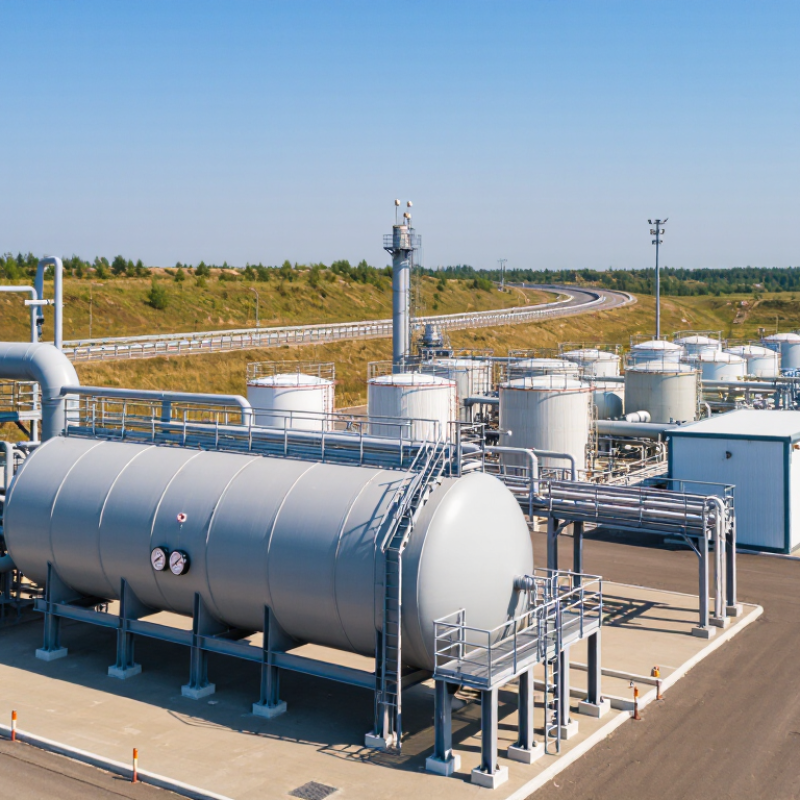
Choosing an asphalt tank starts with its intended use, not its advertised capacity. A stationary vertical tank suits asphalt plants with steady production and limited site movement. Its tall design saves ground space and supports organized inventory control. Horizontal tanks work well where height is restricted. They are also practical for roadwork depots and temporary storage areas.

Portable tanks support projects that move between paving locations. They reduce transfer time, but their smaller capacity may require more frequent deliveries. Heated tanks maintain asphalt flow during storage. Insulated walls reduce heat loss and help limit energy consumption. Some applications need agitation, especially when storing modified asphalt or materials that separate over time. Without proper mixing, the material may not perform consistently.

Tank selection also depends on heating method, temperature control, access, and cleaning requirements. Fire-tube, thermal-fluid, and electric systems each need different maintenance routines. Check the tank’s operating temperature range carefully. A larger tank is not always better. Excess capacity can increase holding time, fuel use, and material aging. That point is easy to miss.

Field inspections often reveal another problem: operators choose capacity before studying delivery patterns. Review daily demand, peak production, loading equipment, and local safety requirements. Keep valves accessible and place monitoring instruments where staff can read them safely. A useful design on paper may become awkward beside a busy plant. Recheck the layout before ordering.

How to Choose the Right Asphalt Tank in 2026?

Understanding Asphalt Tank Types and Their Intended Uses

Asphalt tank selection depends primarily on the material being stored and its required temperature. Heated insulated tanks are commonly used for paving-grade and polymer-modified asphalt, while emulsion tanks require gentler temperature control. Cutback asphalt generally needs limited heating because it contains volatile solvents.

The temperature bands shown are typical operating ranges used in asphalt handling. Actual requirements vary by grade, climate, storage duration, and supplier specifications.

Assessing Capacity, Heating, and Temperature Control Requirements

How to Choose the Right Asphalt Tank in 2026?
Assessing Capacity, Heating, and Temperature Control Requirements
Choosing an asphalt tank starts with your daily production rhythm, not its advertised volume. Estimate average demand, peak demand, delivery delays, and reserve material separately. A tank that is too small may force repeated heating cycles. That wastes energy and can interrupt paving schedules. A tank that is too large may hold material longer than necessary. Asphalt quality can suffer when storage time is poorly managed. My early estimates were too optimistic, especially during cold mornings and unexpected site delays.
Heating Performance
Heating performance deserves close inspection. Confirm the heater can raise the material temperature steadily without creating hot spots near the heating surfaces. Indirect heating is often easier to control for sensitive asphalt products. Ask for measured warm-up times under realistic outdoor conditions, not ideal factory conditions. Insulation thickness, tank shape, and circulation equipment also affect heat loss. Temperature control should include reliable sensors, clear displays, and automatic safety limits. Keep the target range narrow, but review it against the material supplier’s technical data. Small temperature errors matter.
Tips
Record temperature readings during loading, storage, and discharge. Check sensor accuracy regularly. Leave practical reserve capacity, but avoid oversized storage. Test the tank during the coldest expected operating period. One overlooked detail is access for cleaning and inspection. It can become a maintenance problem later.

Comparing Tank Materials, Insulation, and Safety Features

How to Choose the Right Asphalt Tank in 2026?

Tank material affects durability, heat retention, and maintenance. Carbon steel remains practical for most asphalt applications, especially when the tank has a suitable internal coating and corrosion-control plan. Stainless steel may resist corrosion better, but its higher cost is not always justified. I would check the asphalt grade, operating temperature, moisture exposure, and cleaning method before choosing. A perfect specification on paper can still fail in a wet yard.

Insulation deserves equal attention. The Federal Highway Administration reports that warm-mix asphalt technologies can reduce production temperatures by roughly 20–40°C. That change can lower heat loss, but only when the tank insulation is properly designed. Mineral wool or other high-temperature insulation should cover the shell, roof, valves, and transfer lines. Small gaps around fittings can create hot spots and waste energy. It happens more often than expected.

Safety features should follow recognized engineering standards, including OSHA requirements and applicable NFPA 30 guidance for heated combustible liquids. Select tanks with temperature alarms, independent high-temperature shutdowns, pressure-vacuum protection, guarded access points, and visible level indicators. The National Institute for Occupational Safety and Health emphasizes controlling worker exposure to asphalt fumes through ventilation and work practices. Do not rely on insulation alone. Review emergency access, spill containment, electrical classification, and inspection records with a qualified engineer before purchase.

How to Choose the Right Asphalt Tank in 2026? - Comparing Tank Materials, Insulation, and Safety Features

Use this comparison as a technical screening guide. Final selection should be verified against the asphalt grade, operating temperature, storage duration, site regulations, and applicable pressure-vessel, electrical, fire, and environmental requirements.

Asphalt Tank Material, Insulation, and Safety Feature Comparison
Evaluation Dimension Option or Typical Specification Typical Technical Data Main Advantages Limitations and Selection Notes 2026 Selection Guidance
Tank Shell Material Carbon steel Commonly engineered for hot asphalt service; operating temperatures are often approximately 150–190°C (302–374°F), subject to the asphalt grade and design. High strength, widely available plate grades, good weldability, and comparatively favorable capital cost. Requires corrosion protection where moisture, salts, or contaminated feedstock may be present. Internal and external surfaces should be inspected periodically.
Tank Shell Material Stainless steel Suitable for applications requiring improved resistance to oxidation or contamination; allowable temperature depends on the selected grade and design code. Excellent corrosion resistance, easier cleaning, and lower risk of product contamination in specialty applications. Higher material and fabrication cost. Thermal expansion, welding procedures, and compatibility with the asphalt formulation must be considered. Consider for chemically aggressive environments, frequent product changes, or strict cleanliness requirements.
Tank Shell Material Aluminum Lightweight construction; suitability depends strongly on alloy, wall temperature, support design, and the asphalt operating temperature. Low density and good natural resistance to atmospheric corrosion. Generally not preferred for continuous high-temperature asphalt storage because strength decreases as temperature rises and compatibility must be carefully verified. Use only after a documented engineering review confirms temperature, load, welding, and chemical compatibility requirements.
Tank Configuration Vertical fixed-roof tank Efficient footprint for larger capacities; commonly paired with a heated bottom or internal heating system. Good capacity-to-footprint ratio and effective separation of storage, heating, and loading areas. Requires suitable foundation design, access platforms, roof venting, level instrumentation, and safe maintenance access.
Tank Configuration Horizontal cylindrical tank Common for smaller or medium storage volumes and mobile or modular layouts. Lower overall height, easier access for some installations, and flexible placement near loading or production equipment. Uses more ground area per unit of storage and may require careful support, saddles, drainage, and heat-distribution design. Useful where height restrictions, transport requirements, or phased capacity expansion are important.
Insulation System Mineral wool or rock wool with weatherproof cladding Typical thermal conductivity is approximately 0.035–0.045 W/m·K near room temperature; service temperature depends on the product and system design. Non-combustible insulation, good fire performance, and suitable for high-temperature industrial equipment when properly installed. Can absorb moisture if the cladding or joints fail. Compression, water ingress, and damaged jacketing reduce thermal performance.
Insulation System Fiberglass insulation with metal cladding Typical thermal conductivity is approximately 0.032–0.044 W/m·K near room temperature; maximum service temperature varies by product. Lightweight, widely available, and effective when kept dry and correctly supported. The binder and facing system must be rated for the tank surface temperature. It is less tolerant of compression and moisture damage than a well-protected mineral-wool system. Appropriate when the selected product has a verified temperature rating and the outer weather barrier is reliably sealed.
Insulation System Rigid calcium silicate insulation Typical thermal conductivity is approximately 0.05–0.08 W/m·K near room temperature; designed for high-temperature industrial service. Non-combustible, rigid, and capable of maintaining shape around high-temperature equipment. More brittle than fibrous insulation and can crack under impact, vibration, or poor installation. Joints require careful detailing. Consider for high-temperature zones, supports, penetrations, or locations exposed to mechanical damage.
Insulation System Polyurethane or polyisocyanurate foam Typical thermal conductivity is approximately 0.022–0.030 W/m·K near room temperature, but continuous-use temperature limits are product-specific. Low thermal conductivity and relatively thin insulation for a given heat-loss target. Many foam systems have lower continuous-temperature limits than hot asphalt service. They must not be used near hot surfaces unless the complete system is specifically rated and protected. Use only in approved low-temperature zones or with a verified high-temperature barrier and documented manufacturer limits.
Heating System Thermal-oil heating coils or external heat exchanger Provides controlled indirect heating and can reduce localized hot spots when properly sized and circulated. Good temperature uniformity, controllability, and suitability for temperature-sensitive asphalt products. Requires a thermal-oil heater, circulation pump, expansion provisions, filtration, and leak detection.
Heating System Electric heating elements or electric immersion heaters Heating capacity is selected according to tank volume, insulation, ambient temperature, turnover, and required heat-up time. Accurate control, no combustion products at the tank, and straightforward automation. Requires suitable electrical classification, over-temperature protection, element coverage, and prevention of exposed hot elements. Suitable where reliable electrical supply and compliant hazardous-area design are available.
Temperature Control Independent high-temperature cut-out A separate temperature sensor and shutdown circuit should be independent of the normal process controller. Helps prevent overheating, accelerated oxidation, product degradation, and damage to insulation or heating equipment. Sensor placement, calibration, proof testing, and manual reset requirements must be defined in the control philosophy.
Level and Overfill Protection Continuous level measurement plus independent high-high level alarm May combine radar, guided-wave radar, load cells, or other suitable technology with an independent alarm or shutdown. Reduces spill risk during transfer and provides operators with real-time inventory information. Sensor selection must account for high temperature, vapor, buildup, foam, and calibration access.
Venting Atmospheric vent with correctly sized emergency venting Normal and emergency vent capacity must be calculated for filling, emptying, heating, fire exposure, and other credible scenarios. Prevents excessive vacuum or pressure and helps protect the tank shell from structural damage. Vent outlets must be routed to a safe location and protected from blockage, rain entry, and unauthorized modification.
Fire and Personnel Safety Guarding, insulation burn protection, emergency stop, spill containment, and safe access Safety systems should be selected through a site hazard assessment and applicable local requirements. Reduces burn exposure, improves emergency response, and limits environmental impact from leaks or overfills. Safety equipment does not replace operating procedures, training, inspection, and preventive maintenance.
Inspection and Maintenance Inspection ports, drains, sample points, thickness monitoring, and documented maintenance access Inspection intervals depend on tank design, service severity, corrosion rate, operating history, and local regulations. Supports early detection of corrosion, leaks, insulation damage, buildup, and instrument failure. Access points must be designed to avoid unnecessary exposure to hot asphalt and should include isolation and lockout provisions.

Important: Temperature ranges, insulation values, and material suitability are typical engineering reference values rather than universal limits. Confirm the final design with the tank fabricator, insulation supplier, heating-system designer, and the regulations applicable at the installation site.

Evaluating Mobility, Installation, Maintenance, and Operating Costs

How to Choose the Right Asphalt Tank in 2026?

Evaluating Mobility, Installation, Maintenance, and Operating Costs

Mobility should match the jobsite, not just the sales specification. A towable asphalt tank can suit changing road projects and reduce relocation time. However, poor weight distribution may cause difficult handling on uneven ground. Check axle capacity, ground clearance, braking systems, and loading access before purchase. A tank that moves easily when empty may become unstable when full.

Installation affects both productivity and safety. Measure the foundation, clearance zones, pipe routes, and electrical supply before delivery. Experienced contractors also verify heating controls, insulation thickness, emergency shutoffs, and drainage points. Small installation errors can create daily delays. They can also increase heat loss. Local codes and inspection requirements should guide the design, not informal assumptions.

Maintenance costs deserve a realistic review. Request service intervals, replacement part availability, inspection records, and warranty conditions in writing. Inspect valves, burners, pumps, sensors, and insulation during routine checks. A neglected temperature sensor can waste fuel or damage asphalt quality. Operating costs include fuel, labor, cleaning, repairs, and downtime. A cheaper tank may appear attractive, yet frequent maintenance can erase the saving. I would challenge any estimate based only on fuel consumption. Real jobs rarely follow ideal conditions. Wet weather, partial loads, and inexperienced operators change the calculation. Keep a simple log of heating hours, fuel use, repairs, and production delays before choosing capacity.

Selecting the Right Asphalt Tank for 2026 Standards and Applications

Choosing an asphalt tank in 2026 requires more than comparing volume and price. Start with applicable safety, environmental, electrical, and workplace requirements. The tank must match asphalt grade, heating method, site conditions, and daily throughput. Polymer-modified asphalt may require tighter temperature control than standard binder. Confirm operating ranges with the material supplier. Do not rely on a sales estimate alone.

Projects now expect documented safety controls, energy efficiency, and traceable maintenance. Look for insulated walls, calibrated sensors, over-temperature shutdowns, protected burners, and accessible inspection points. Secondary containment can reduce damage after a leak, but its design must meet local requirements.

Request test records, pressure information, electrical ratings, and installation instructions. A tank should support safe loading and cleaning. Good design matters.

Capacity Planning Capacity needs practical calculation. Estimate peak demand, delivery delays, heating time, and future expansion space. An oversized tank may waste energy and encourage long storage, affecting asphalt quality. An undersized tank can cause rushed heating and uneven supply. I have seen planning fail when teams measured only average daily use. Recheck the figures against winter conditions, power availability, and truck access. Selection is rarely perfect on paper. Leave room for inspection findings and changing project needs.

WhatsApp