Choosing reliable rigging tools from China requires more than comparing prices or browsing polished catalogs. Global buyers need evidence of material quality, load performance, production consistency, and responsive technical support. This guide introduces ten Chinese manufacturers that serve lifting, construction, marine, logistics, and industrial applications. Their product ranges may include wire rope slings, webbing slings, shackles, hooks, lifting clamps, chain assemblies, and related accessories.
The selection considers manufacturing experience, testing capabilities, certifications, export history, and product traceability. A dependable supplier should provide clear working load limits, inspection records, material information, and practical instructions. Factory audits can reveal details that online listings often hide, such as stitching quality, heat treatment controls, packaging methods, and storage conditions. Small details matter. A poorly protected shackle can arrive with corrosion before its first use.
Buyers should also compare communication speed, customization capacity, replacement support, and documentation quality. These factors become important when equipment operates beside cranes, steel structures, or heavy cargo. However, no ranking can fit every purchasing situation. A manufacturer with strong export experience may not suit a buyer needing low-volume customization. Another supplier may offer competitive pricing but require closer quality verification. That is worth remembering.
This overview is designed as a practical starting point, not a substitute for engineering assessment or independent inspection. Before placing an order, confirm the required load rating, operating environment, applicable standards, and inspection process. Careful verification helps buyers select rigging tools that support safer, more predictable lifting operations.
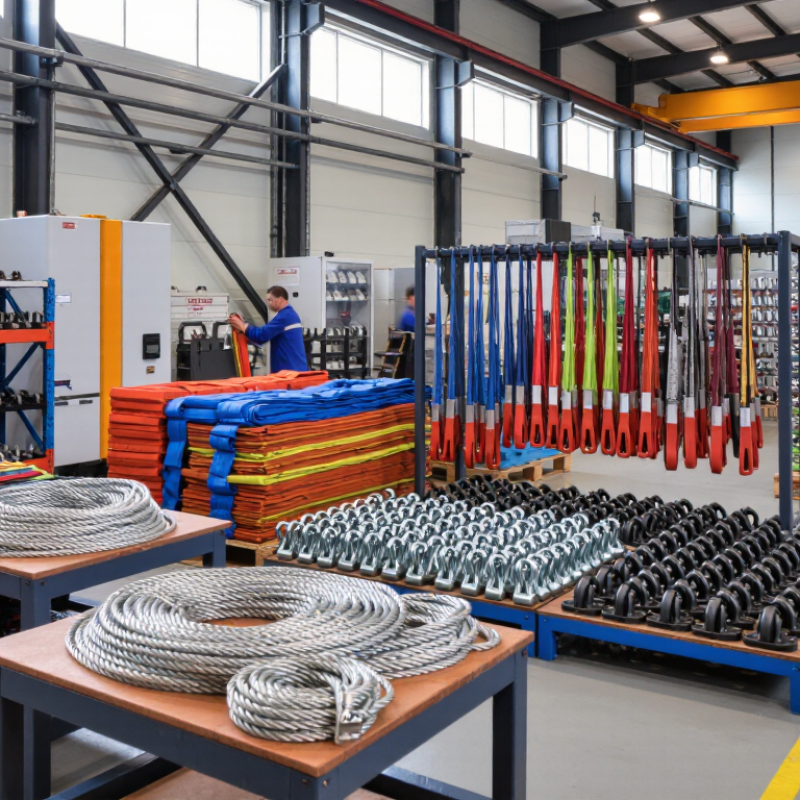
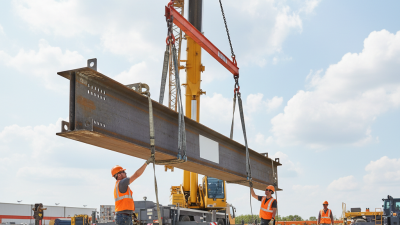
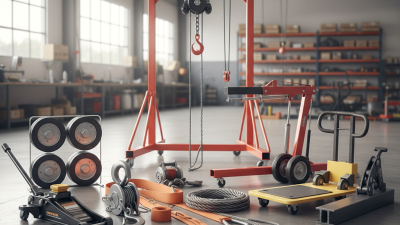
Rigging tools connect, lift, position, or secure heavy loads. Common examples include wire-rope slings, chain slings, shackles, hooks, hoists, and lifting clamps. Each item has a working load limit, material grade, and inspection requirement. These details are not paperwork decoration. They control real lifting risk.
The International Labour Organization reported about 2.93 million work-related deaths in 2019, including incidents linked to unsafe working conditions. Rigging failures represent only part of this wider problem, but their consequences can be immediate. OSHA 29 CFR 1910.184 requires employers to inspect slings before use and remove damaged slings from service.
Confirm the working load limit at the actual lifting angle. Ask for material certificates, inspection records, and product drawings. Compare the supplier’s documents with ISO, ASME, or local requirements. Do not accept unclear markings.
During practical inspections, small cuts, bent hooks, and stretched links are easy to miss. That is where judgment matters.
Buyers sometimes focus on price first, which is understandable but imperfect. A cheaper tool may bring higher inspection, replacement, and downtime costs.
Packaging also deserves attention. Corrosion can begin before the equipment reaches the jobsite.
Evaluating China’s rigging tool manufacturers requires more than comparing prices. A reliable supplier should explain its production process clearly. Ask how shackles, hooks, clamps, and lifting points are forged, heat-treated, and inspected. Request material certificates, working load limits, dimensional drawings, and batch traceability records. Small details matter.
Inspect the factory’s quality controls, not only its showroom. Check whether calibrated equipment performs proof-load and hardness tests. Review sample reports from recent production batches. The manufacturer should identify rejected parts and explain corrective actions. A clean workshop is useful evidence, but it is not proof of consistent quality. A polished factory tour can still hide weak batch control.
Confirm compliance with the standards required in your destination market. Certificates should match the exact product, size, material, and rated capacity. Ask about corrosion protection, packaging, replacement parts, and technical support after shipment. Independent pre-shipment inspection can reveal incorrect markings, rough threads, or damaged finishes. Do not rush. Test several samples under controlled conditions when the application is critical. No checklist is perfect. Buyers should record unanswered questions and reconsider suppliers who avoid specific evidence. A lower quotation may reflect thinner margins, but it may also indicate weaker steel, limited testing, or incomplete documentation. The difference deserves careful verification before any purchase.
China’s top ten rigging tool manufacturers show different strengths across lifting applications. Their product portfolios often include shackles, wire rope clips, chain slings, webbing slings, hoists, and lifting clamps. Product strength should not be judged by catalog size alone. It depends on material control, manufacturing accuracy, and verified working load limits.
Some manufacturers stand out for forged shackles with clean threads and consistent pin fit. Others focus on alloy chain slings, using controlled heat treatment and clear grade markings. Webbing sling producers often compete through dense stitching, abrasion-resistant edges, and flexible configurations. Hoist specialists may offer smoother braking systems, stronger gears, and easier field maintenance. Small details matter. A stiff latch can slow a busy lifting team.
Experienced buyers should review test certificates, batch identification, inspection records, and load charts. Reliable manufacturers can explain how raw steel, welding, coating, and final inspection are controlled. For outdoor projects, corrosion resistance deserves close attention. For warehouse lifting, compact design and repeated-cycle durability may matter more. A low price can look attractive, but replacement costs may change the calculation.
No manufacturer is strongest in every category. A supplier with excellent chain products may offer average webbing slings. Catalog photos also reveal little about stitching tension or internal heat treatment. That is where careful sampling helps. Inspect the hardware, measure key dimensions, and compare real test results before placing large orders. Mistakes still happen, even with experienced teams. Good documentation makes them easier to detect.
China’s rigging tool manufacturers serve global buyers with slings, shackles, lifting clamps, hooks, and wire rope accessories. Reliable suppliers should show controlled production, not only attractive catalogs. ISO 9001 supports process management, while product compliance depends on the tool, destination, and application. Relevant standards may include EN, ASME, or national specifications.
Ask for material certificates, proof-load reports, dimensional records, and traceability details. Each shackle should carry clear markings, including working load limit, size, and batch information. For webbing slings, inspect stitching, label strength, and abrasion resistance. Factory audits can reveal practical details, such as calibrated testing machines and protected storage areas. A certificate alone is not enough. Documents can be complete while production control remains weak.
Export capability also matters. Experienced suppliers prepare commercial invoices, packing lists, certificates of origin, inspection reports, and accurate shipping marks. Strong packaging prevents rust, crushed cartons, and missing labels during sea transport. Confirm lead times, port experience, spare documentation, and communication procedures before ordering. Some manufacturers respond quickly but struggle with customized compliance files. That weakness deserves attention. Buyers should compare test evidence, inspection routines, and after-sales handling rather than relying on price alone. Independent pre-shipment inspection adds useful protection, although it cannot replace careful supplier selection.
Choosing among the top ten rigging tool manufacturers requires more than comparing catalog prices. A reliable supplier should provide traceable material certificates, clear working load limits, batch numbers, and documented proof-load testing. The International Labour Organization reported about 2.93 million work-related deaths and 395 million non-fatal injuries annually in its 2023 estimates. These figures make verification a purchasing requirement, not a paperwork preference.
Build a weighted supplier scorecard. Give safety documentation, test quality, and manufacturing experience greater weight than price. Ask for recent inspection records, calibration certificates, sample reports, and production photographs. Check whether the stated working load limit matches the intended lifting angle and environment. Salt air, sharp edges, heat, and repeated loading can change performance. Small details matter. Request references from buyers using similar capacities and applications. A polished website proves little.
ISO’s 2023 Survey recorded more than one million valid ISO 9001 certificates worldwide. However, certification indicates a quality management system, not automatic rigging competence. Review the actual process behind each certificate. Can the supplier identify one batch from raw material to final inspection? Can engineers answer technical questions without vague promises? Lead time, spare parts, packaging, and after-sales response also deserve scoring. A low quotation may hide weak testing or inconsistent tolerances. I would still challenge my own ranking after receiving samples, because supplier claims and field performance do not always match.