
Which Surface Mounted Light Is Best for Global Buyers?

Choosing the best Surface Mounted Light for global buyers requires more than comparing prices or attractive product photos. A reliable decision considers voltage compatibility, light output, color temperature, CRI, IP rating, thermal performance, and installation conditions. A fixture designed for a dry office may fail in a humid coastal hotel. Small details matter.

Lighting researcher Peter R. Boyce stated, “Light is the most important environmental condition for human beings.” His observation explains why brightness alone cannot define quality. A good Surface Mounted Light should reduce glare, distribute light evenly, and support comfortable work or movement. Buyers should examine test reports, photometric data, warranty terms, and documented compliance with the destination market’s requirements. Product certifications must be verified, not simply copied into a brochure.

Global projects also face practical issues. A 220–240V fixture may not suit every region. A cool 6500K tone can feel harsh in a residential room. A slim aluminum housing may look elegant, yet poor heat control can shorten LED life. Not every “high efficiency” claim survives independent testing.

There is no universal best model. That is the uncomfortable truth. The right choice depends on the building, climate, ceiling material, maintenance access, and user expectations. This guide compares key Surface Mounted Light types and evaluation methods, helping distributors, contractors, and property owners make decisions with stronger evidence and fewer costly surprises. Even experienced buyers can miss one specification. Careful review remains essential.
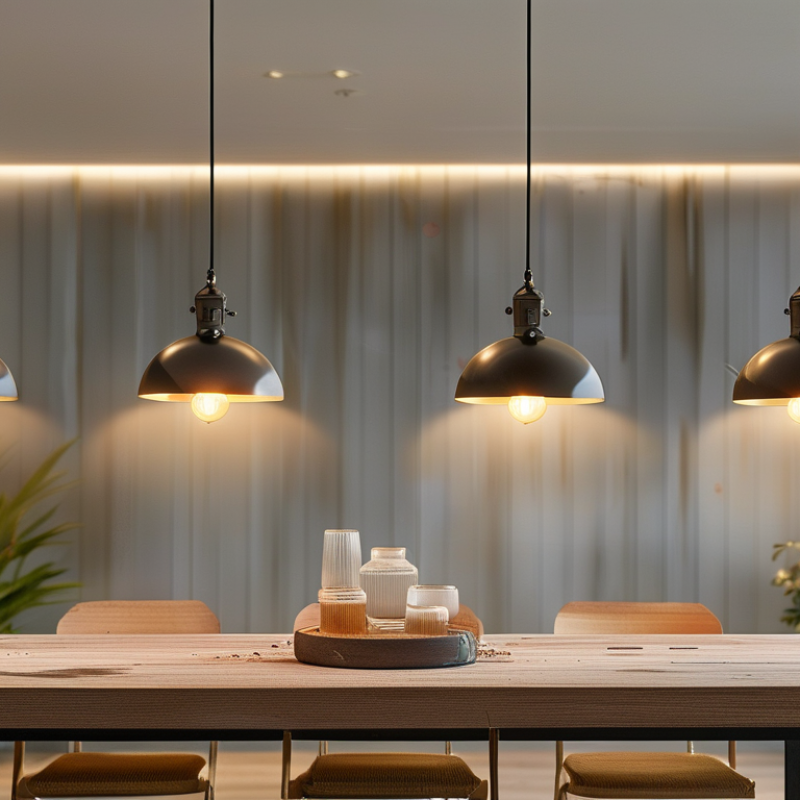
Which Surface Mounted Light Is Best for Global Buyers?

What Is a Surface Mounted Light and How Does It Work?

A surface mounted light sits directly against a ceiling or wall, unlike a recessed fixture that needs a cutout. Its housing contains the light source, driver, wiring space, and mounting base. When power enters, the driver converts and controls electricity for the LED module. The LEDs produce light, while a diffuser softens glare and spreads illumination across the room. This structure suits concrete ceilings and shallow spaces. I have seen it used effectively in corridors, kitchens, offices, and hotel rooms. Yet “easy to install” can be misleading.

Global buyers should verify input voltage, frequency, lumen output, color temperature, and photometric data. Some fixtures support wide voltage ranges, while others require a specific supply. The ceiling material also matters. A secure anchor is essential for heavy housings. Heat dissipation affects service life, especially in warm climates. An appropriate IP rating helps in damp areas, but it does not make every fixture waterproof. Check electrical documentation and local installation requirements. My early mistake was judging brightness by wattage alone. That approach ignored beam angle and room height.

Tips: Compare delivered lumens, not wattage only. Check the driver’s operating range. Confirm the mounting base fits the junction box. For bathrooms or covered outdoor areas, match the IP rating to actual exposure. Ask for test reports and installation instructions. A qualified electrician should handle final connections. Specifications can look complete, but missing details deserve questions.

Which Surface Mounted Light Types Suit Different Applications?

Surface-mounted light types suit applications differently, so selection should begin with the space rather than appearance. In residential corridors, bedrooms, and kitchens, compact round or square LED fixtures provide even light without requiring a recessed ceiling. Diffused covers reduce harsh shadows. Warm white light often feels comfortable in living areas.

Offices, classrooms, and clinics usually need broad, controlled illumination. Slim surface-mounted panels can spread light across desks and workstations. Choose a high colour rendering index when people must read documents or examine details. Low-glare optics also matter near computer screens. A bright fixture can still create visual fatigue.

Workshops, parking areas, and covered entrances demand stronger protection. Sealed bulkhead fittings are practical where dust, moisture, or accidental impact may occur. Check the stated IP rating and installation conditions carefully. Wet locations need products approved for that environment. Linear fixtures can suit warehouses, but beam spacing and mounting height must be assessed on site.

Colour temperature should match the task, not just current design trends. Neutral white may support active work, while warmer light can soften hospitality spaces. Emergency routes require compliant emergency lighting, not ordinary decorative fixtures. Measure twice. Ceiling height, surface material, maintenance access, and wiring routes can change the best choice. I have seen projects select attractive fixtures first, then discover uncomfortable glare or difficult cleaning. That mistake is avoidable, though final performance still depends on layout and professional installation.

How to Compare Brightness, Color, Efficiency, and Lifespan

Which Surface Mounted Light Is Best for Global Buyers?

Brightness should be compared in lumens, not watts. A 2,000-lumen fixture may suit a small office, while a larger room needs more output. The U.S. Department of Energy reports that modern LED products commonly achieve around 80–150 lumens per watt. However, measured output can fall after installing a diffuser. Check delivered lumens, beam angle, and photometric files. A wide beam creates softer coverage, but may feel less intense on a work surface.

Color quality affects comfort and accuracy. For offices, 3,500–4,000K often appears balanced, while 5,000K can feel harsh in homes. The International Energy Agency states that lighting represents roughly 15% of global electricity use, making efficiency a serious purchasing factor. Compare watts per delivered lumen, power-factor data, and dimming losses. A high CRI rating is useful, but CRI alone does not describe every color accurately. R9 performance deserves attention.

Lifespan claims need careful reading. Look for L70 or L80 ratings, tested under recognized methods, rather than vague “50,000-hour” language. L70 means the light output remains at 70% of its initial level. ENERGY STAR benchmarks indicate certified LED lighting can use at least 75% less energy and last up to 25 times longer than incandescent lighting. Real conditions differ. Heat, unstable voltage, and frequent switching can shorten service life. I still see buyers selecting the brightest model first. That choice can waste energy and create glare. Check warranty terms, replacement access, local voltage compatibility, and safety certification before ordering internationally.

What Global Buyers Should Know About Safety and Certifications

Which Surface Mounted Light Is Best for Global Buyers?

For global buyers, safety documentation matters as much as brightness, color temperature, and appearance. A reliable surface mounted light should include clear electrical ratings, installation instructions, and traceable test reports. Check the input voltage range before comparing prices. A fixture designed for 220–240 volts may not suit a 100–127 volt system.

Look for evidence of testing against recognized safety standards in the destination market. CE marking may support European market access, but it is not always a laboratory certification. Buyers should request the declaration of conformity and relevant test reports. Other markets may require different approvals, such as national electrical certifications.

Ask who performed the testing, when it was completed, and which exact model was examined. Small details matter.

Do not ignore heat and moisture.

A ceiling light in a bathroom, warehouse, or covered outdoor area needs a suitable IP rating. Confirm the rating applies to the complete assembled product, not only one component. Check the housing material, grounding method, driver protection, and emergency performance where applicable.

A certificate can look convincing yet omit important pages. That assumption deserves questioning.

I have seen buyers focus on a low unit price, then discover missing documents during customs clearance. Request samples, inspect labels, and compare the marking with the paperwork before placing a large order.

Suppliers should also explain installation limits, replacement parts, and warranty procedures in writing.

How to Select the Best Surface Mounted Light for Each Market

Which Surface Mounted Light Is Best for Global Buyers?

The best surface mounted light depends on the market, not only on appearance. A warm 3000K light can suit hotels, while offices often need neutral 4000K illumination. Check local voltage, frequency, and required safety certifications before comparing prices. Ceiling height also matters. A slim fixture may look neat in a low hallway, but it can provide weak light in a large warehouse. In humid coastal areas, select suitable ingress protection and corrosion-resistant materials.

Practical testing is more reliable than catalog claims. Review the light distribution, color rendering, glare control, and heat performance. Ask for photometric files and sample units. Install one sample under real ceiling conditions. A product that performs well in a showroom may feel harsh beside a white desk. This mistake is common. Also consider installation habits in each region. Quick-connect terminals may save labor, but only when local electricians recognize the design. Service access, driver replacement, and spare-part availability deserve equal attention.

Tips: Match the light to the room’s task, climate, and ceiling material. Confirm wiring standards with a qualified local professional. Compare total ownership cost, not just purchase price. Keep specifications flexible, too. Market preferences can change, and an overly fixed design may become difficult to sell. One detail is easy to miss: sample colors can vary between batches, so inspect production consistency before placing a large order.

Which Surface Mounted Light Is Best for Global Buyers? — How to Select the Best Surface Mounted Light for Each Market
Target Market Nominal Supply Recommended Light Type Typical Power & Lumen Range Preferred Color Temperature Recommended CRI Required Environmental Protection Key Compliance Considerations Best-Fit Applications
United States & Canada 120 V, 60 Hz 12–24 W
900–2,000 lm
3,000–4,000 K for residential and hospitality; 4,000–5,000 K for offices and utility spaces CRI ≥80; CRI ≥90 for retail, hospitality, and healthcare environments IP20 for dry interiors; IP44 or higher for areas exposed to splashes Use voltage-compatible drivers and verify applicable electrical safety, energy-efficiency, dimming, and building-code requirements for the installation location Bedrooms, corridors, kitchens, offices, retail stores, classrooms, and apartment buildings
European Union 220–240 V, 50 Hz 12–30 W
1,000–2,700 lm
3,000 K for warm interiors; 4,000 K for general commercial areas; 5,000 K for task-oriented spaces CRI ≥80; CRI ≥90 for color-sensitive applications IP20 for dry rooms; IP44–IP65 for bathrooms, covered exterior areas, and dusty locations Confirm applicable CE marking, electromagnetic compatibility, low-voltage safety, ecodesign, energy-labeling, and material-restriction requirements Residential interiors, offices, hotels, shops, schools, and public buildings
United Kingdom 230 V, 50 Hz 12–30 W
1,000–2,700 lm
2,700–3,000 K for homes and hotels; 4,000 K for offices and retail CRI ≥80; CRI ≥90 for hospitality, retail, and healthcare IP20 for dry spaces; IP44 or higher in zones subject to moisture, subject to local installation rules Check applicable UKCA or other accepted conformity routes, electrical safety, EMC, fire-performance, and emergency-lighting requirements Homes, offices, stairwells, corridors, hotels, retail units, and communal areas
Australia & New Zealand 230 V, 50 Hz 15–36 W
1,200–3,200 lm
3,000 K for residential projects; 4,000 K for commercial and educational buildings CRI ≥80 IP20 indoors; IP44–IP65 for covered outdoor, coastal, humid, or dusty locations Verify applicable electrical equipment registration, EMC, insulation, wiring, and local installation requirements Homes, schools, warehouses, covered outdoor walkways, coastal properties, and commercial facilities
Japan 100 V, 50 or 60 Hz depending on region 8–24 W
600–2,200 lm
2,700–3,500 K for homes; 4,000 K for offices and shops CRI ≥80; higher CRI for retail and residential spaces where color appearance matters IP20 for dry interiors; select IP44 or higher for humid rooms Confirm compatibility with regional frequency, applicable product safety marking, radio-interference control, and Japanese installation practices Compact apartments, homes, corridors, retail stores, offices, and hospitality interiors
Gulf Cooperation Council Region 220–240 V, 50 Hz 18–40 W
1,500–3,800 lm
4,000 K for commercial areas; 3,000–4,000 K for hotels and residences CRI ≥80 IP44 indoors where humidity is present; IP54–IP65 for dust, sand, and covered exterior applications Check local conformity, energy-efficiency, electrical safety, fire, and project-approval requirements; specify wide-temperature-rated components Hotels, offices, shopping centers, villas, parking structures, corridors, and covered outdoor areas
India 230 V, 50 Hz 12–30 W
900–2,700 lm
3,000 K for residential and hospitality use; 4,000–6,500 K for offices, shops, and utility spaces CRI ≥80 IP20 for dry interiors; IP44 or higher for humid, dusty, or semi-outdoor locations Verify applicable national safety, energy-efficiency, EMC, surge-protection, and local wiring requirements Homes, offices, schools, retail stores, clinics, corridors, and small commercial buildings
China 220 V, 50 Hz 12–36 W
900–3,200 lm
3,000 K for homes and hotels; 4,000 K for offices; 5,000–6,500 K for warehouses and utility spaces CRI ≥80; CRI ≥90 for museums, retail, and premium interiors IP20 for dry rooms; IP44–IP65 for humid, dusty, or semi-outdoor areas Confirm applicable compulsory product certification, energy-efficiency, EMC, electrical safety, and project-specific requirements Residential projects, offices, factories, schools, retail stores, and public facilities
Latin America Commonly 110–127 V or 220–240 V, 50 or 60 Hz depending on country 12–36 W
900–3,200 lm
3,000–4,000 K for homes and hospitality; 4,000–6,500 K for commercial and industrial applications CRI ≥80 IP20 for dry interiors; IP44–IP65 where humidity, dust, or rain exposure is possible Do not assume one regional voltage standard; verify each country’s electrical safety, certification, energy, and installation requirements before shipment Homes, offices, retail stores, schools, warehouses, hotels, and mixed-use developments
Selection guidance: Confirm the actual site voltage and frequency before ordering. For wet or dusty locations, choose the IP rating according to the installation zone rather than selecting it only by market. Lumen output should be matched to room size, ceiling height, reflectance, and the required lighting level; the ranges shown are typical product-selection starting points, not universal design requirements.
WhatsApp