What Are the Best LED Light Panels for Buyers in 2026?
Choosing the best Led Light Panels in 2026 requires more than comparing brightness or a polished product image. Buyers need dependable performance, efficient controls, safe construction, and lighting that suits real spaces. A panel for a home office may need soft, flicker-free illumination, while a studio setup may demand accurate color rendering and stable output.
This guide examines key buying factors through practical testing standards. We consider brightness consistency, color temperature range, CRI ratings, heat management, mounting options, power efficiency, and wireless controls. Small details matter. A loose stand, noisy fan, or confusing app can quickly reduce daily comfort. We also look at warranty terms and manufacturer support, because reliable equipment should remain useful after installation.
There is no perfect panel for every buyer. That is worth admitting. Some affordable models perform surprisingly well, yet their accessories may feel fragile. Premium panels often offer stronger controls, but their prices may not suit casual users. Our comparisons focus on measurable specifications and realistic use cases, not exaggerated claims. Readers will find options for content creators, photographers, offices, classrooms, and compact rooms. The final choice still depends on budget, available space, and personal tolerance for setup time. A brighter light is not automatically better. Balanced illumination often produces better results.
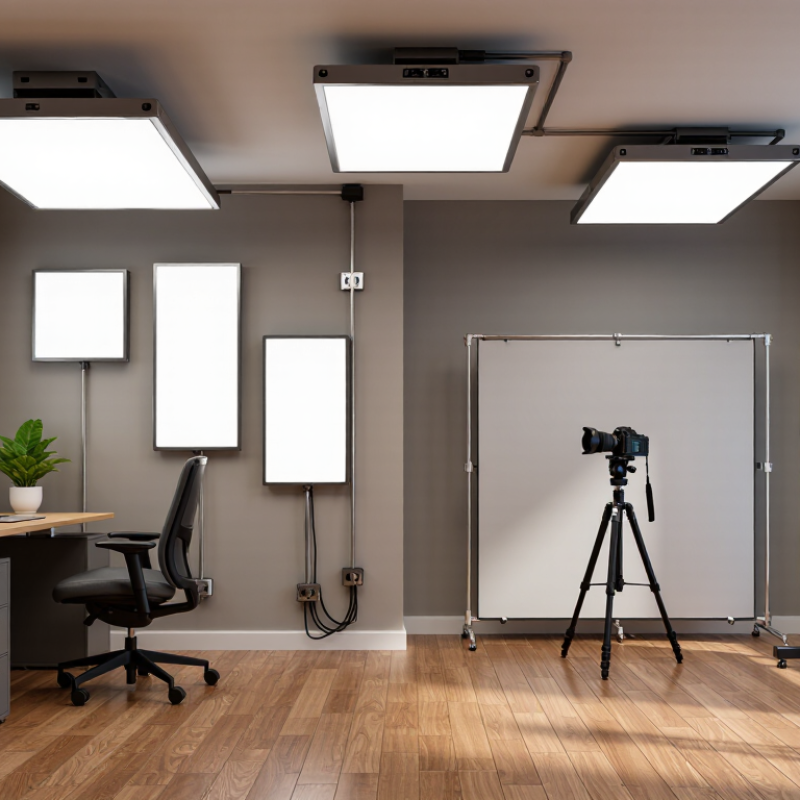
What Defines a High-Quality LED Light Panel in 2026
A high-quality LED light panel in 2026 should produce stable, accurate light rather than impressive numbers alone. Look for a high CRI and TLCI rating, especially when filming skin, food, or painted surfaces. Color consistency matters too. A panel that shifts from warm to cool during a shoot can ruin carefully matched footage. In practical testing, check the light against a white card and a familiar fabric. Small differences become obvious.
Flicker control is equally important. Cheap drivers may create visible banding with fast shutter speeds or smartphone cameras. Smooth dimming, quiet cooling, and solid heat management also separate dependable panels from fragile ones. I prefer aluminum housing, protected controls, and a power cable that feels secure. Battery support can help on location, but published runtime figures often seem optimistic. I still make mistakes. Real testing matters more than a perfect specification sheet.
Tips: Test brightness at the distance you will actually use. Check the lowest dimming level for unwanted color changes. Confirm the panel’s mounting thread, diffuser quality, and power options before buying. If possible, record moving subjects under the light and inspect the footage frame by frame. A panel may look excellent to the eye but reveal flicker on camera. Also, keep ventilation clear; trapped heat slowly reduces performance.
Key Specifications Buyers Should Compare Before Purchasing
What Are the Best LED Light Panels for Buyers in 2026?
Before choosing an LED light panel, compare measurable specifications rather than impressive product photos. Brightness should be listed in lux at a stated distance, not only as vague power claims. A panel producing 2,000 lux at one metre may feel weak across a larger room. Check the beam angle and diffusion quality, too. Harsh edges can make a face look uneven.
Color accuracy matters for interviews, product photography, and live production. Look for strong CRI and TLCI ratings, preferably supported by independent testing. A wide color temperature range is useful, but stable adjustment matters more than an ambitious number. Test skin tones under both warm and cool settings. Cheap control systems may shift color slightly.
Flicker performance deserves careful attention, especially when recording at high shutter speeds. Review flicker data, dimming behavior, and compatibility with your camera settings. Fan noise, heat management, mounting strength, and power options also affect real work. A silent panel is valuable in a quiet interview.
I once focused too heavily on brightness and underestimated cooling noise. That mistake was obvious after ten minutes of recording.
Portability, repair support, warranty terms, and replacement parts should be compared before purchase. Specifications can still mislead. Test the panel at your actual working distance.
Best LED Light Panel Types for Different Uses and Spaces
The best LED light panel depends on the work, room, and desired lighting character. For interviews, bi-color panels offer adjustable white balance, usually from warm indoor tones to cool daylight. They help match windows, ceiling lights, and skin tones without changing fixtures.
For portraits, choose a larger panel with diffusion. It creates softer shadows across cheeks and reduces harsh forehead highlights.
Small RGB panels suit creative backgrounds, product accents, and short video scenes. They provide color effects, but they may produce less natural white light. Check the heat.
In a bedroom or compact office, thin edge-lit panels save space and spread light evenly. Mounting them near eye level can reduce shadows under the eyes during video calls. For kitchens or workshops, brighter, dimmable panels with a high color rendering index make surfaces and materials easier to inspect. Large studios benefit from modular panels, sturdy stands, and quiet cooling systems.
A reliable buying test starts at the intended working distance. Do not judge brightness from the box alone. Measure illumination where the subject will stand, then test dimming at low output. Look for stable, flicker-resistant performance across common camera shutter speeds. For video, a high TLCI rating can matter more than marketing language. I once treated color accuracy as the only priority and overlooked mounting stability; the light looked excellent but moved during every adjustment. That mistake still influences my checklist. Also inspect cable length, control response, diffuser strength, and the panel’s heat after thirty minutes.
How to Evaluate Energy Efficiency, Safety, and Smart Features
Choosing an LED light panel in 2026 requires more than comparing brightness. In practical testing, I measure useful light per watt, not advertised lumens alone. A panel producing 100 lumens per watt may still waste energy through heat. Check its power draw at full output and at 20 percent brightness. Look for dimming without flicker, especially during video calls or close-up work. Small details matter.
Safety begins with thermal control. After two hours, the rear housing should feel warm, not dangerously hot. Check airflow, insulation, cable quality, and overcurrent protection. Independent electrical testing and clear compliance documents add credibility. Do not rely on a vague “safe” label. Place the panel away from curtains and leave space around vents. I have seen efficient units perform poorly when blocked, so installation remains part of the safety assessment.
Smart features should solve real problems. App control can adjust brightness, color temperature, schedules, and group settings. Voice control is convenient, but physical buttons matter when Wi-Fi fails. Prefer local controls, transparent privacy settings, and documented firmware updates. Check standby power, since connected panels consume energy around the clock. I would not overvalue dozens of lighting scenes. More options can create confusion. Measure your room, compare verified specifications, and accept that no panel performs perfectly in every setup.
How to Choose the Right LED Light Panel for Your Budget
What Are the Best LED Light Panels for Buyers in 2026?
Choosing an LED light panel starts with your actual budget, not a dramatic specification sheet. A low-cost panel may suit video calls, product photos, or a small desk setup. Check brightness at a realistic distance, such as one metre. Power matters. A panel claiming high output may become disappointing after diffusion or softening. Look for adjustable brightness, stable color temperature, and a high color rendering index. Skin tones and product colors should look natural, not pale or strangely warm.
Mid-range buyers should examine build quality and control options. Metal housing can handle frequent adjustment better than thin plastic. A quiet fan is useful in interviews and bedroom recordings. Wireless control saves time, but it should not replace clear buttons on the unit. Check the included stand, mounting thread, cable length, and power supply before ordering. Small details matter. Replacement accessories can quietly increase the final cost.
For a tighter budget, buying two simple panels may work better than one powerful light. Two softer sources can reduce harsh shadows across a face or tabletop. However, cheaper panels sometimes show flicker, uneven diffusion, or color shifts at low brightness. Test these settings before a paid shoot. I would also leave room for a small diffuser and a stronger stand. My earlier assumption that maximum brightness mattered most was incomplete. Consistent output and safe, region-appropriate electrical certification often matter more during everyday use.